ECOWAS Approves Burkina Faso, Mali, and Niger as Non-Member Participants in GIABA


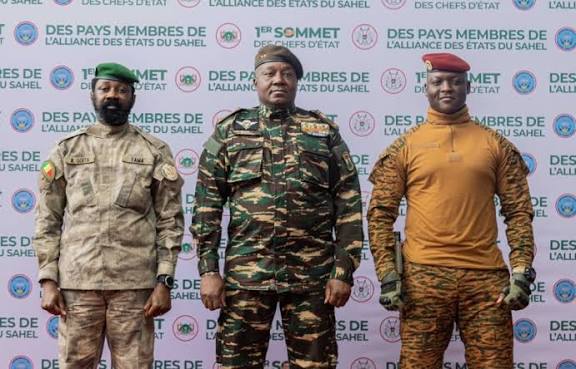
The Economic Community of West African States (ECOWAS) has approved Burkina Faso, Mali, and Niger to participate as non-member countries in the Inter-Governmental Action Group against Money Laundering and Counter-Terrorism Financing in West Africa (GIABA). This decision means the three countries can join GIABA’s efforts to fight money laundering and terrorism financing in West Africa, provided they meet the group’s standards and rules.
The approval comes almost a year after the three Sahelian nations formally left ECOWAS in January 2025. They had decided to leave after forming the Alliance of Sahel States, a new regional grouping focused on cooperation in security, politics, and economic development.
Conditions for Participation in GIABA
ECOWAS made it clear that Burkina Faso, Mali, and Niger would be allowed to participate only if they:
- Strengthen their laws and institutions to fight money laundering and terrorism financing.
- Cooperate fully with GIABA, including sharing financial intelligence.
- Follow GIABA rules and meet compliance standards.
The decision reflects the importance of keeping these countries engaged in regional efforts, even after their exit from ECOWAS. Experts say it is a pragmatic move to ensure the fight against illicit financial flows and terrorism continues without interruption.

Background: The Alliance of Sahel States
The three countries left ECOWAS after forming the Alliance of Sahel States (AES), officially established in July 2024. This alliance aims to strengthen ties between Burkina Faso, Mali, and Niger, particularly in the areas of security, economic cooperation, and political support.
One of the main goals of AES is collective security. The countries have agreed to share military resources and coordinate operations to fight armed groups in the Sahel region. Economically, they are exploring joint development projects and even launched an AES Investment and Development Bank to support infrastructure and economic growth.
Leadership of the Alliance
Currently, the Alliance of Sahel States is chaired by Captain Ibrahim Traoré of Burkina Faso, who recently took over from Malian President Assimi Goïta. The leaders of the three countries continue to meet regularly to discuss security strategies, economic cooperation, and other regional matters.
Other key figures include Abdourahamane Tchiani, the head of Niger’s military government, who has been actively promoting the alliance’s objectives and calling for stronger regional autonomy.
Impact on Regional Relations
Although Burkina Faso, Mali, and Niger have left ECOWAS, the bloc continues to maintain selective engagement with them, especially in technical areas and security matters. By allowing the three countries to participate in GIABA, ECOWAS is keeping a line of cooperation open while addressing concerns over governance and stability in the Sahel region.
With this inclusion, GIABA now has five non-ECOWAS members, which also include São Tomé and Príncipe and the Union of Comoros. Observers say this step ensures that regional efforts to fight money laundering and terrorism financing remain coordinated, even as political alignments shift in West Africa.
About the Author

The Updated World delivers timely and well-researched articles on various topics, including the latest news updates, health, wellness, sports, current affairs, and more.
Related Contents