African Governments Remain Silent Amid Reports of Opposition Harassment in Uganda


Concerns over political freedoms in Uganda are intensifying ahead of the country’s general elections scheduled for 15 January 2026, as opposition figures report increasing pressure from state authorities. Despite growing allegations of harassment and restrictions targeting opposition supporters, many African governments have remained publicly silent, raising questions about regional commitment to democratic accountability.
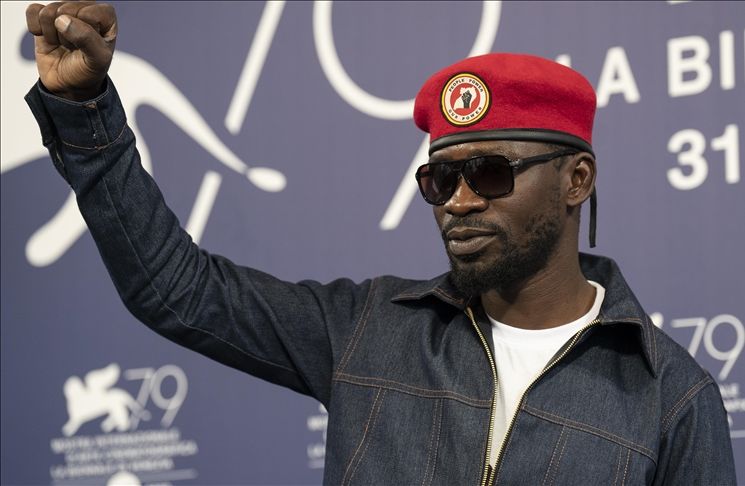
The focus of concern has been the treatment of supporters of opposition leader Robert Kyagulanyi Ssentamu, popularly known as Bobi Wine, and his National Unity Platform (NUP). Opposition officials and human rights observers have reported incidents involving the disruption of campaign activities, arrests of supporters, and the use of force by security personnel. These developments have fuelled fears that the electoral environment may not be fully free or fair.
As political tensions rise, Bobi Wine has warned of the possibility of an internet and social media shutdown during the election period. Drawing on previous experiences, he pointed to past election-related blackouts under President Yoweri Museveni, including a four-day nationwide internet shutdown during the 2021 elections, which severely limited communication, access to information, and election monitoring.
In response, the opposition leader has urged his supporters to download Bitchat, a decentralised messaging application designed to function even when internet services are unavailable. According to Wine, the app would enable offline communication and the sharing of election-related materials using Bluetooth technology, allowing users to stay connected in the event of a government-imposed blackout.

Bitchat, which was launched in July by technology entrepreneur Jack Dorsey, does not require phone numbers or email addresses to operate. The platform has previously been used during periods of unrest and protest in countries such as Madagascar and Nepal, where internet access was restricted, making it a practical tool for communication under tight digital controls.
While international human rights organisations have expressed concern over the reported repression and the potential for digital restrictions, official responses from African governments and regional institutions have been limited. Critics argue that this silence weakens efforts to promote democratic norms and protect political rights across the continent, particularly during sensitive election periods.
Ugandan authorities have consistently defended their actions, maintaining that security measures are necessary to preserve public order and prevent violence. The government has denied allegations of targeting opposition groups, stating that all political actors are subject to the same laws and regulations.
As Uganda moves closer to election day, the combination of alleged political repression, fears of communication shutdowns, and limited regional response has placed the country’s democratic process under intense scrutiny. Observers say how these concerns are addressed in the coming days will be crucial in determining public confidence in the elections and the broader state of democracy in Uganda.
About the Author

The Updated World delivers timely and well-researched articles on various topics, including the latest news updates, health, wellness, sports, current affairs, and more.
Related Contents