Africa’s Wealth Gap Widens as Billionaire Fortunes Grow


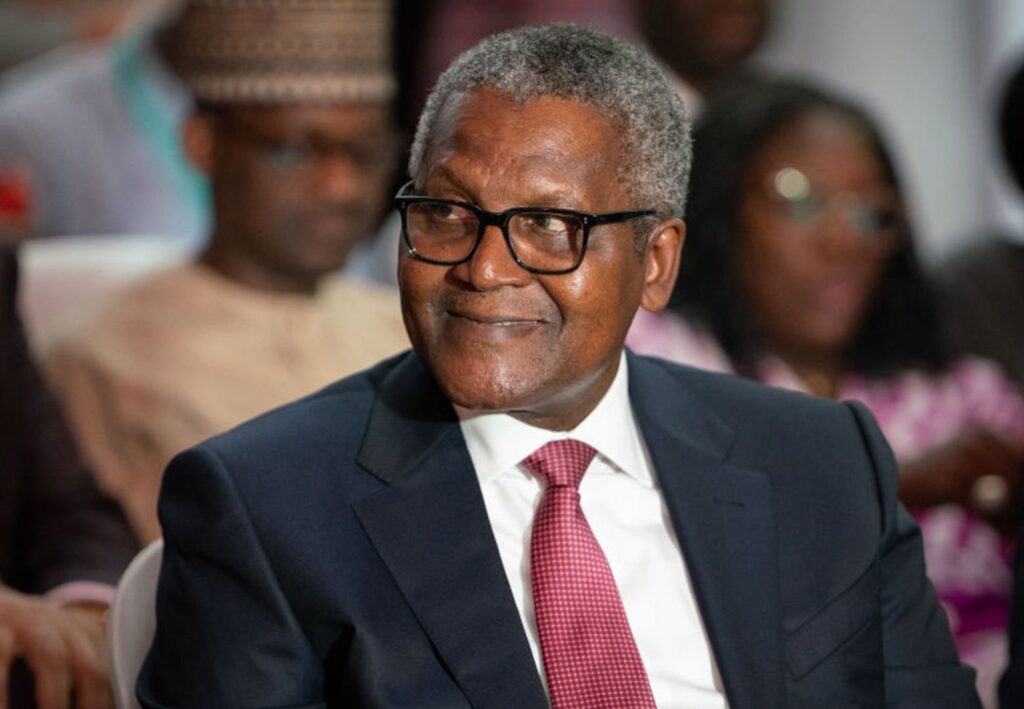
Africa’s long-standing inequality crisis has intensified sharply, with new findings revealing that the continent’s richest individuals are accumulating wealth at a pace that far outstrips economic progress for the majority of its people. According to a recent report by global anti-poverty organisation Oxfam, just four African billionaires including Nigeria’s Aliko Dangote now control more wealth than half of the continent’s population combined.
The figures underline a troubling reality for a continent home to more than 1.4 billion people, where widespread poverty, unemployment, and underfunded public services persist despite pockets of extraordinary wealth at the top.
Oxfam’s analysis shows that billionaire wealth in Africa increased by 36.5 percent in a single year, a growth rate that is more than double the global average. This surge occurred during a period marked by rising living costs, weak wage growth, and economic uncertainty across many African countries.
While global billionaires have also enjoyed record-breaking gains, the contrast is far more pronounced in Africa, where millions of households struggle to meet basic needs such as food, healthcare, education, and housing. The report argues that economic growth on the continent is increasingly skewed, rewarding a narrow elite while leaving much of the population behind.

The report places particular emphasis on Nigeria, Africa’s largest economy, as an example of how tax systems can reinforce inequality. Despite hosting some of the continent’s most profitable corporations and wealthiest individuals, Nigeria collects relatively little revenue from large firms.
Oxfam highlights cases in which highly profitable companies paid effective tax rates as low as 2 percent, raising concerns about loopholes, weak enforcement, and generous incentives that favour large businesses. Critics argue that such low contributions deprive governments of much-needed revenue that could be invested in public services and infrastructure.
Tax justice advocates say this pattern is not unique to Nigeria, but reflects a broader continental challenge where wealth and profits are insufficiently taxed, while ordinary citizens often bear a heavier burden through consumption taxes and levies on basic goods.
The rapid accumulation of private wealth is unfolding against the backdrop of a deepening debt crisis across much of Africa. Many governments are now spending a significant share of their national budgets on debt repayments, leaving less funding available for essential services.
In several countries, debt servicing costs now exceed combined spending on healthcare, education, and social protection. This has resulted in overcrowded hospitals, under-resourced schools, and limited support for vulnerable populations, particularly women, children, and the elderly.
Oxfam warns that unless debt pressures are eased and fiscal priorities are rebalanced, inequality will continue to widen, undermining long-term development and social stability.
Behind the statistics lies a stark human reality. While billionaire fortunes grow into the tens of billions of dollars, millions of Africans survive on low and unstable incomes, often without access to basic safety nets.
The report notes that the poorest half of Africa’s population owns only a tiny fraction of the continent’s total wealth, while the richest 1 percent controls a disproportionately large share. In practical terms, this means that economic gains are failing to translate into improved living conditions for the majority.
Oxfam argues that such extreme inequality is not inevitable, but the result of policy choices that prioritise private accumulation over public investment.
In response to the findings, Oxfam has renewed calls for progressive tax reforms, including higher taxes on extreme wealth, stronger corporate tax enforcement, and the closing of loopholes that allow profits to go untaxed.
The organisation also urges African governments and international lenders to address the debt crisis through restructuring and relief measures, enabling countries to redirect resources toward health, education, and social protection.
Economists supporting these proposals argue that even modest increases in wealth and corporate taxes could generate billions of dollars annually funds that could significantly improve public services and reduce poverty.
As Africa’s population continues to grow rapidly, the choices made by governments and policymakers will shape the continent’s future. The Oxfam report concludes that without decisive action, the concentration of wealth at the top risks deepening social divisions, fuelling public frustration, and slowing inclusive development.
While Africa remains a continent of opportunity and innovation, the growing gap between the ultra-rich and the rest of the population highlights the urgent need for economic systems that work for everyone — not just a privileged few.
About the Author

The Updated World delivers timely and well-researched articles on various topics, including the latest news updates, health, wellness, sports, current affairs, and more.
Related Contents