Egypt’s Parliament Moves to Regulate Children’s Use of Social Media Amid Rising Concerns


Egypt’s Parliament is taking steps to address growing concerns about the impact of social media on children, announcing plans to draft legislation aimed at regulating how minors use digital platforms. Lawmakers described the current online environment for children as “digital chaos” and emphasized the need for protective measures.
The House of Representatives said it will work on a law that sets clear rules for children’s engagement with social media. Parliament plans to collaborate with government agencies, digital safety experts, and child protection organizations to ensure that the legislation safeguards young users from harmful content, cyberbullying, and online exploitation.

Officials noted that the initiative is designed to guide children toward responsible online behavior rather than restricting access entirely. They emphasized that social media can provide educational and social benefits if used safely, but unchecked usage carries risks that need to be mitigated.
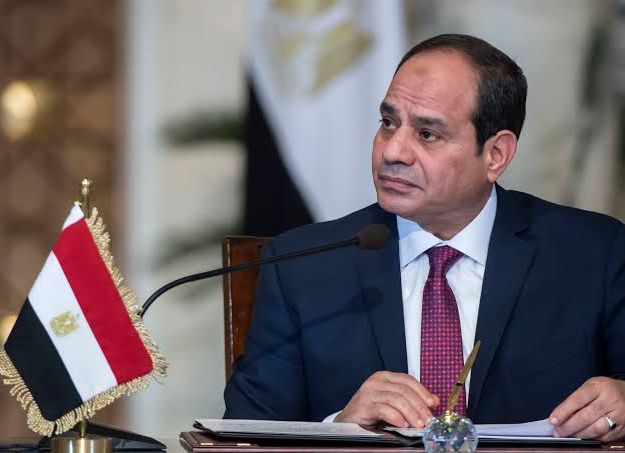
President Abdel-Fattah el-Sissi has voiced his support for stricter regulations on minors’ social media use. He suggested that Egypt should consider international examples where governments are imposing age-based restrictions to protect children.

Several Western countries have already introduced or are debating similar measures. For instance, some nations are limiting access to social media for children under certain ages, while others are focusing on strengthening protections against harmful content and excessive screen time. Lawmakers in Egypt are studying these approaches as they draft their own regulations.
Rising Concerns Among Parents and Educators
Reports indicate that a significant portion of Egyptian children under 18 regularly use social media, raising concerns among parents and educators about exposure to inappropriate content and online risks. Parliament highlighted the psychological and social challenges that can arise from unsupervised online activity and stressed the need for a legal framework that balances protection with children’s right to access technology.
To develop effective legislation, parliamentary committees will consult with a wide range of stakeholders, including government regulators, child welfare organizations, educators, and technology experts. Officials aim to create a law that is practical, enforceable, and reflective of Egypt’s cultural and social values.
While the specifics of the proposed law are still under discussion, Egypt’s move signals a growing recognition of the need to protect children in the digital era. By focusing on guidance, supervision, and responsible use, lawmakers hope to reduce risks while still allowing young users to benefit from the positive aspects of social media.
The initiative represents a major step toward creating safer online spaces for Egypt’s youth and reflects a broader global trend of governments rethinking how to manage children’s interactions with technology.
About the Author

The Updated World delivers timely and well-researched articles on various topics, including the latest news updates, health, wellness, sports, current affairs, and more.
Related Contents