List of Africa’s Most Corrupt Countries as Namibia Maintains Mid-Level Standing


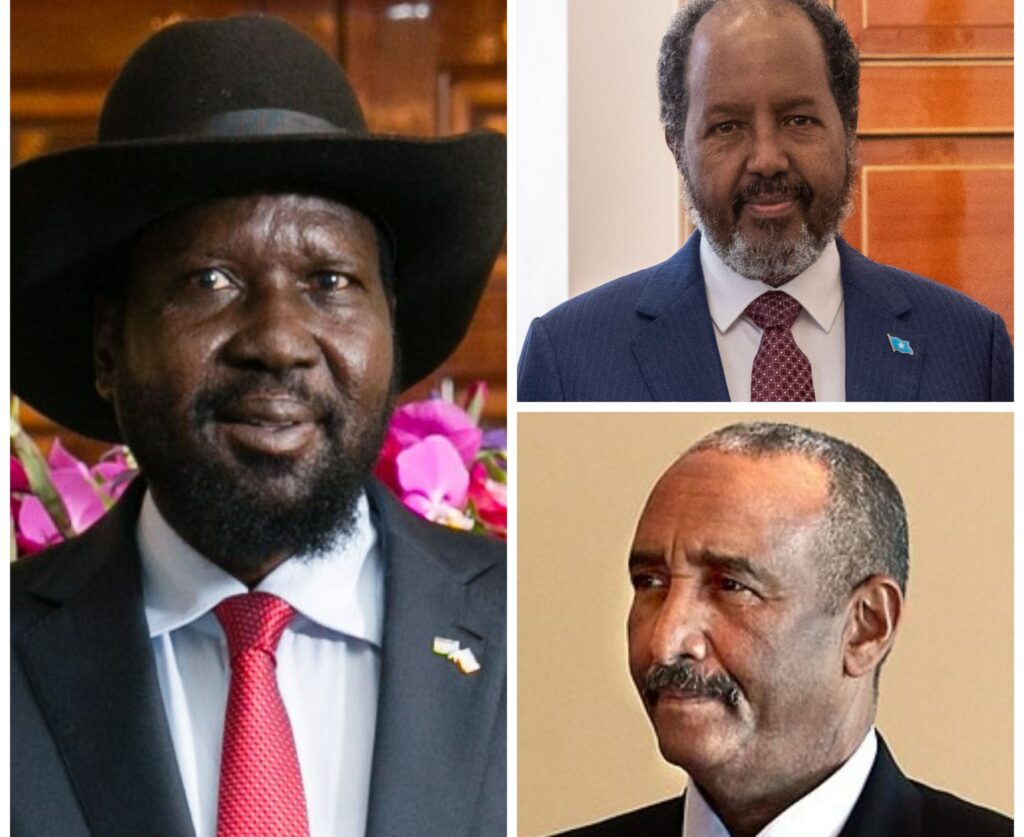
The latest findings from Transparency International’s Corruption Perceptions Index (CPI) show that corruption remains a serious challenge across much of Africa, with several countries continuing to struggle with weak governance and accountability systems.
According to the report, South Sudan is regarded as the most corrupt country in Africa, followed closely by other nations affected by political instability, conflict, and prolonged governance challenges.
Africa’s 20 Most Corrupt Countries
Based on the latest CPI results, the following countries are identified as Africa’s worst performers, starting from the most affected:
- South Sudan
- Sudan
- Somalia
- Equatorial Guinea
- Eritrea
- Libya
- Burundi
- Democratic Republic of the Congo (DRC)
- Comoros
- Guinea-Bissau
- Chad
- Central African Republic
- Republic of the Congo
- Zimbabwe
- Cameroon
- Madagascar
- Mozambique
- Nigeria
- Sierra Leone
- Mali
In contrast to the countries at the bottom of the index, Namibia remains among Africa’s better-performing nations, maintaining a moderate position compared to many of its regional peers. While the country does not feature among Africa’s least corrupt states, it continues to rank ahead of a large number of countries on the continent.

Namibia’s performance is often associated with relatively strong democratic institutions, an independent judiciary, and a functioning legal framework. However, analysts note that ongoing corruption cases, procurement concerns, and governance challenges continue to test public confidence and underline the need for sustained reforms.
Within Southern Africa, Namibia continues to perform better than several neighbouring countries, including Zimbabwe, Mozambique, and the Democratic Republic of the Congo, which appear among the continent’s worst performers. However, the country still trails behind stronger African performers such as Botswana, Mauritius, and Seychelles.
This regional comparison places Namibia in a position where progress has been made, but further improvements remain necessary to strengthen transparency and accountability.
For Namibian citizens, corruption rankings are more than just statistics. They influence investor confidence, public trust in institutions, and the country’s international reputation. High corruption levels across the continent also affect regional economic cooperation, security, and development efforts.
As Africa continues to face governance challenges, Namibia’s ability to protect and strengthen its institutions will play a critical role in ensuring long-term stability and economic growth.
About the Author

The Updated World delivers timely and well-researched articles on various topics, including the latest news updates, health, wellness, sports, current affairs, and more.
Related Contents