Mnangagwa Says Land Reform Was About Justice, Not Race


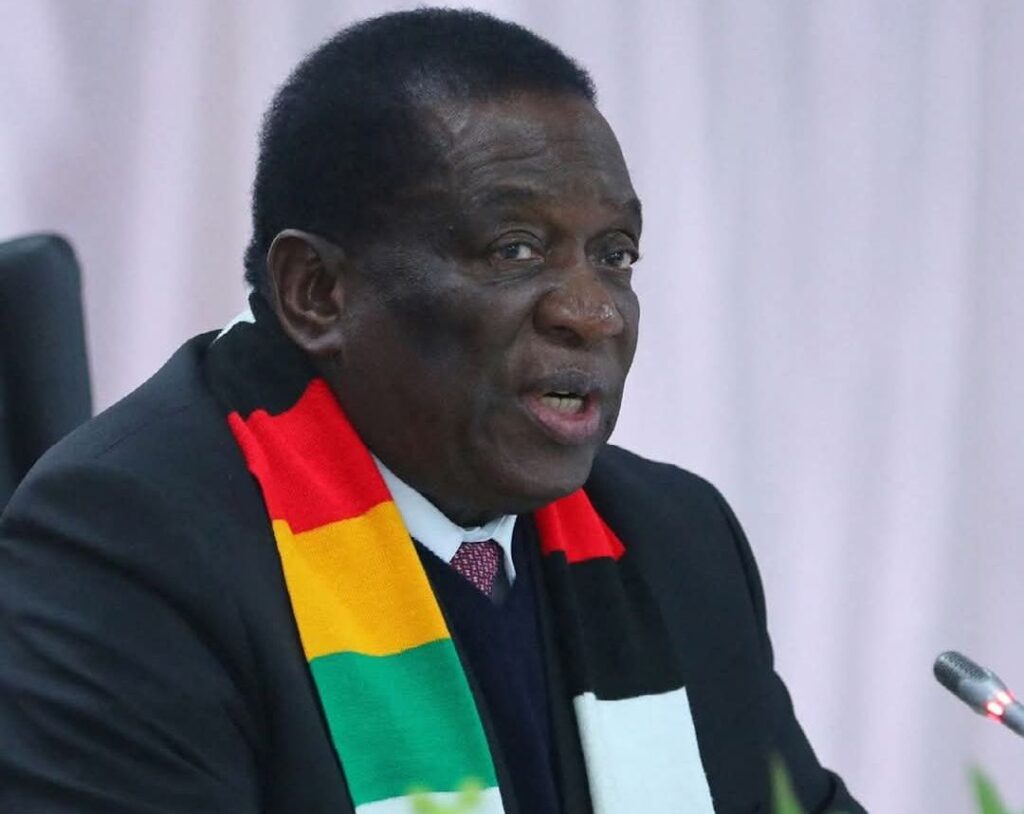
Zimbabwean President Emmerson Mnangagwa has once again defended his country’s land reform programme, saying it was a necessary step to correct historical wrongs caused by colonial rule. He said the policy was aimed at restoring land to Zimbabweans and not at targeting any racial group.
Speaking at the World Government Summit in Dubai, Mnangagwa addressed long-standing criticism from Western countries over the seizure of land from white commercial farmers. He said the international sanctions placed on Zimbabwe were a direct result of the country’s decision to reclaim land that had been taken during British colonial rule.
According to the president, land ownership should never have been based on race. He stated that land belongs to the people of Zimbabwe as a whole and not to one group. Mnangagwa added that white farmers who accepted equality and were willing to live peacefully alongside Black Zimbabweans were allowed to remain, while those who believed they were superior chose to leave the country.
Zimbabwe launched its fast-track land reform programme in the early 2000s, during which thousands of white-owned farms were taken over by the state and redistributed to Black Zimbabweans. The government argued that the move was meant to address decades of unfair land distribution inherited from colonial times.

However, the programme attracted strong international criticism. Many Western governments accused Zimbabwe of violating property rights and human rights, leading to economic sanctions. Critics also say the land seizures were poorly managed and sometimes violent, contributing to a sharp decline in agricultural production and worsening the country’s economic challenges.
Despite this, the Zimbabwean government maintains that land reform was unavoidable. Officials say the policy corrected a historical imbalance where a small minority owned most of the country’s fertile land, while the majority lived on poor and overcrowded areas.
The land issue in Zimbabwe dates back to the colonial era, when laws allowed white settlers to take control of the most productive land, forcing Black communities into less fertile regions. At independence in 1980, the new government promised land redistribution but initially followed a peaceful approach where land was bought from willing sellers.
By the late 1990s, progress was slow, and pressure grew from war veterans and landless citizens. This led to the fast-track land reform programme launched in 2000.
In recent years, the government has tried to ease tensions by engaging with former farmers and the international community. Zimbabwe has also announced plans to compensate former white farmers for improvements made on seized land, as part of efforts to rebuild trust and revive the economy.
More than two decades later, land reform remains one of the most sensitive and debated issues in Zimbabwe’s political and economic history.
About the Author

The Updated World delivers timely and well-researched articles on various topics, including the latest news updates, health, wellness, sports, current affairs, and more.
Related Contents