Museveni Begins Fifth Decade, Seventh Inauguration Signals Continuity and Economic Ambition


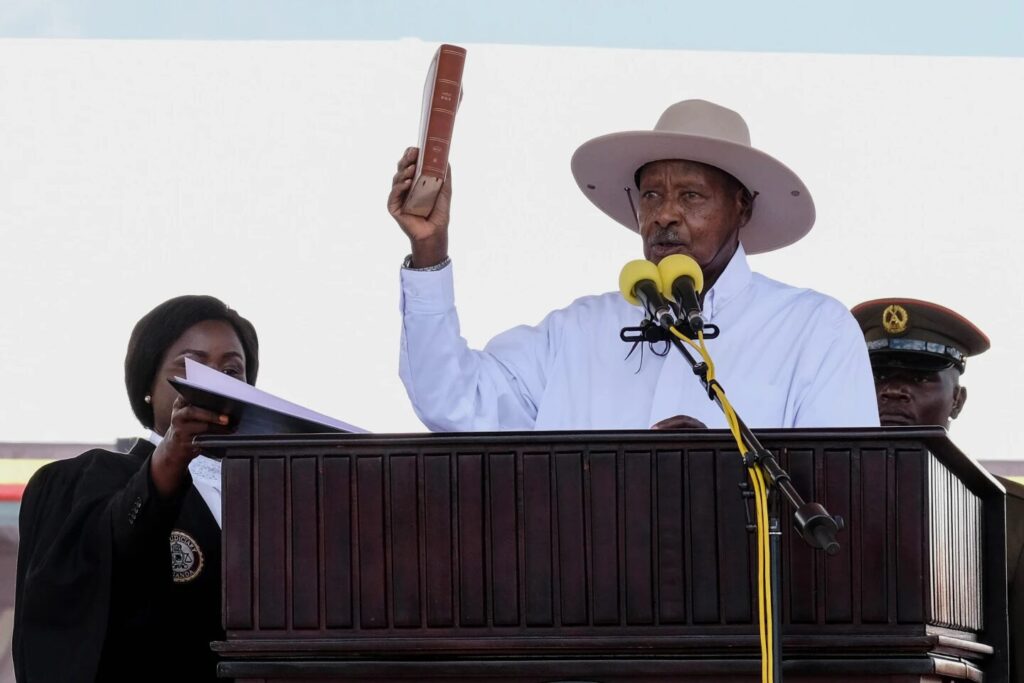
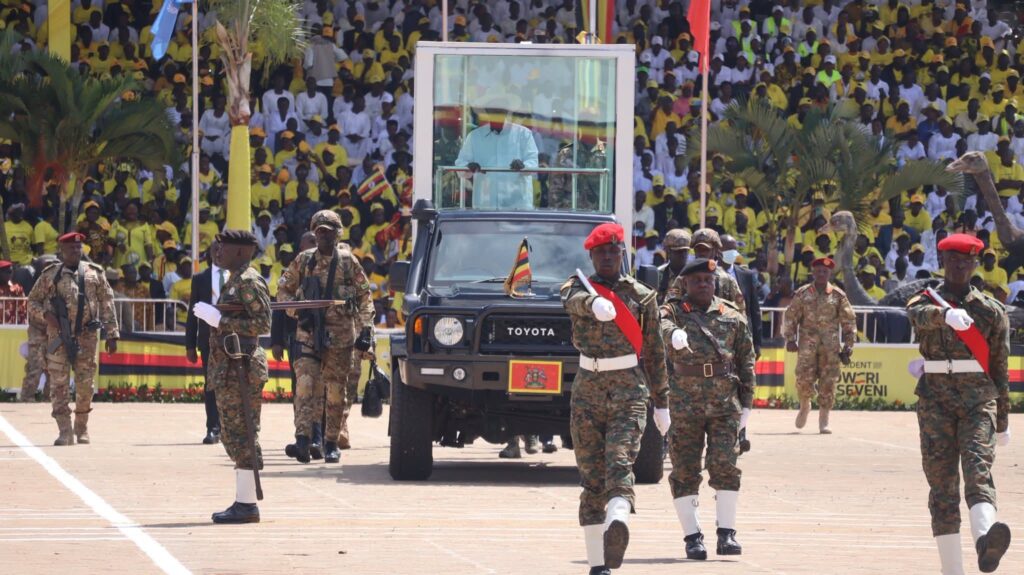
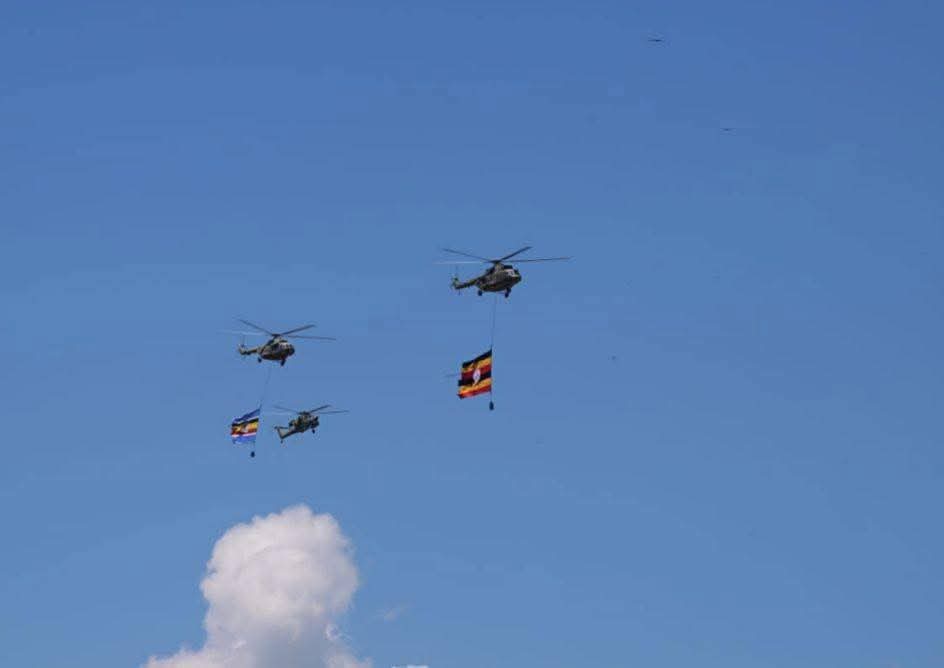
KAMPALA unganda -Amidst a formidable display of military pageantry and regional diplomacy, Yoweri Kaguta Museveni was sworn in for a seventh consecutive term as President of the Republic of Uganda on Tuesday. The ceremony, held at the historic Kololo Ceremonial Grounds in Kampala, formalizes a mandate that will extend his leadership to 2031, marking 45 years at the helm of the East African nation.
In a characteristic and lengthy inaugural address, the 81-year-old veteran leader articulated a vision centered on domestic stability and rapid industrialization. Under the theme “Protecting the Gains: Making a Qualitative Leap into High Middle-Income Status,” Museveni pledged to eradicate bureaucratic lethargy.
“This is the Kisanja (term) of no sleep,” the President declared, urging government officials to prioritize job creation and wealth generation over procedure. He focused heavily on the transformation of Uganda from a producer of raw materials to a manufacturing hub, arguing that value addition is the only path to genuine economic independence for Africa.
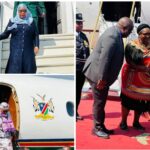
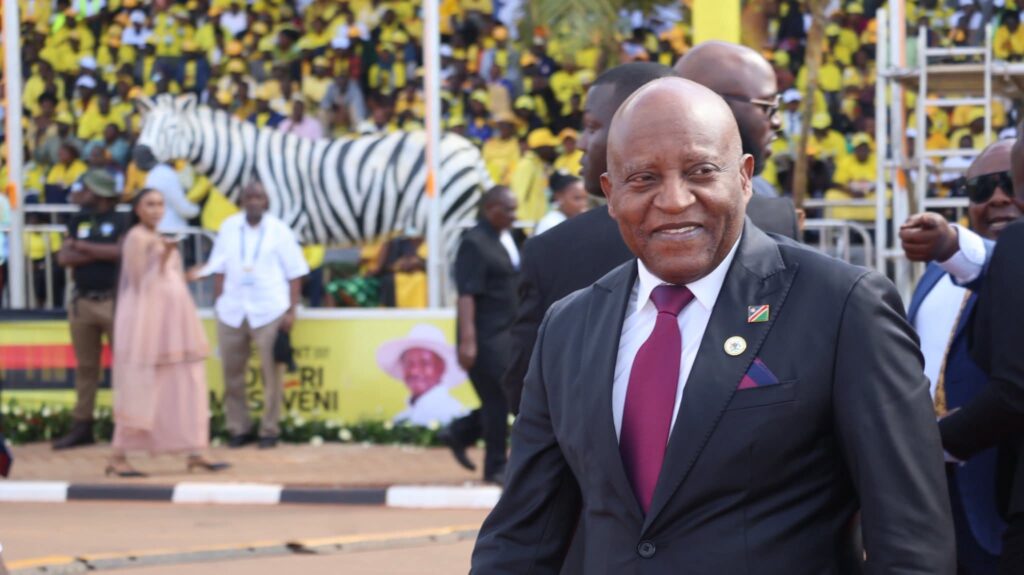
The event acted as a significant diplomatic crossroads, drawing leaders from across the African continent. In a notable gesture of SADC-EAC relations, Dr. Elijah Ngurare attended the ceremony on behalf of Namibian President Netumbo Nandi-Ndaitwah. Ngurare’s presence highlighted the deep-seated historical and political ties between the two nations, reinforcing a message of pan-African solidarity.

Other high-profile attendees included heads of state from the East African Community (EAC), many of whom praised Museveni for his role as a regional mediator and his contributions to the security of the Great Lakes region.
However, the festivities did not fully mask the political tensions simmering beneath the surface. The inauguration took place as the opposition, led by Robert Kyagulanyi—popularly known as Bobi Wine—continued to vociferously reject the election results.
The National Unity Platform (NUP) leader has alleged widespread irregularities, including ballot box stuffing and state-sponsored intimidation. While international observers have raised concerns regarding the restrictive environment of the January polls, the Ugandan electoral commission has stood by the validity of the results, citing the decisive margin of Museveni’s victory.
As the 21-gun salute echoed across Kampala, the focus for many observers shifted to the future of the National Resistance Movement (NRM) and the question of succession. The prominent role played during the ceremony by General Muhoozi Kainerugaba, the President’s son and Chief of Defense Forces, did not go unnoticed by political analysts.
For now, however, Museveni remains the undisputed center of Ugandan politics. With five years ahead of him, his administration faces the dual challenge of fulfilling ambitious economic promises while navigating an increasingly vocal youth demographic hungry for political change.
About the Author

The Updated World delivers timely and well-researched articles on various topics, including the latest news updates, health, wellness, sports, current affairs, and more.
Related Contents