Namibia to Host International Patient Safety Conference


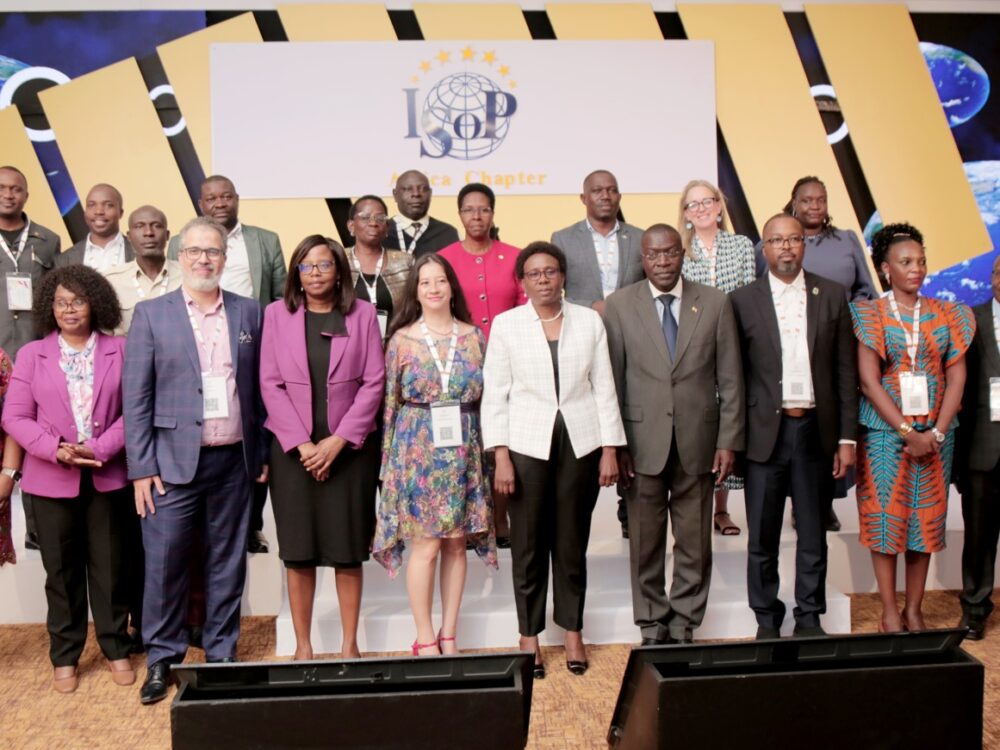
Cabinet has endorsed Namibia’s hosting of the 2026 International Society of Pharmacovigilance (ISoP) Africa Chapter Annual General Meeting, which will take place in Windhoek from 18 to 20 May 2026.
The conference will be coordinated by the Ministry of Health and Social Services through the Namibia Medicines Regulatory Council in partnership with ISoP Africa, the Local Organising Committee and the Scientific Committee.

The event is expected to attract more than 300 pharmacovigilance experts, researchers, regulators, academics and healthcare professionals from across Africa and beyond. Discussions will focus on improving medicine safety, monitoring adverse drug reactions, strengthening healthcare systems and enhancing patient safety on the continent.
Pharmacovigilance refers to the science and activities involved in detecting, assessing and preventing harmful side effects or other medicine-related problems. The conference will also discuss the role of the African Medicines Agency, digital technologies, public health emergency responses and community engagement in improving drug safety systems across Africa

The hosting of the conference is considered significant for Namibia because it places the country at the centre of continental discussions on public health, pharmaceutical regulation and patient protection. It also provides Namibia with an opportunity to showcase its healthcare regulatory systems, institutional capacity and ability to host major international scientific gatherings.
Health experts say stronger pharmacovigilance systems are critical in Africa due to the increasing circulation of counterfeit medicines, underreporting of adverse drug reactions and weak medicine monitoring systems in some countries. Studies indicate that 50 of Africa’s 54 countries are now members of the World Health Organization’s international drug monitoring programme, reflecting growing efforts to strengthen medicine safety systems on the continent.
According to the World Health Organization (WHO), unsafe healthcare remains a major global concern. WHO estimates show there is a 1 in 300 chance of a patient suffering harm during healthcare treatment, while in developing countries, about 10 out of every 100 hospitalized patients acquire healthcare-associated infections. The WHO further notes that poor-quality healthcare and unsafe medical practices continue to contribute to preventable deaths and billions in economic losses globally.
Experts believe the conference could strengthen Namibia’s international profile in the health and scientific sectors while creating opportunities for knowledge exchange, regional partnerships and future investment in pharmaceutical regulation and healthcare innovation.
The event is also expected to generate economic benefits through tourism, hospitality and conference-related business activities, as delegates from multiple countries are expected to travel to Namibia for the three-day meeting.
Health Minister Esperance Luvindao previously acknowledged that recurrent medicine shortages in Namibia’s health facilities have exposed weaknesses in procurement systems, storage capacity and pharmaceutical supply management. Speaking during a health briefing in 2025, Luvindao said the Central Medical Stores had operated below the required 80 percent service target for two consecutive years, with service levels dropping below 57 percent.
She attributed the shortages to factors including global supply chain disruptions, the absence of long-term procurement contracts, inadequate storage infrastructure and weaknesses in medicine inventory management systems.
The upcoming ISoP Africa conference is therefore expected to provide Namibia with an opportunity to engage international experts on solutions related to medicine safety, pharmaceutical regulation, stock monitoring systems and supply-chain management — areas that health experts say are critical to reducing medicine shortages in state hospitals.
Recent studies on Namibia’s pharmaceutical sector have shown that the country remains heavily dependent on imported medicines, making it vulnerable to international supply disruptions and procurement delays. Researchers further warned that weak tracking systems, limited local manufacturing capacity and regulatory bottlenecks continue to contribute to recurring stock-outs of essential medicines.
The conference could also provide Namibia with an important platform to discuss ongoing challenges affecting the country’s public healthcare system, including periodic shortages of medicines and medical supplies in some state hospitals and clinics. Experts attending the conference are expected to share best practices on pharmaceutical regulation, medicine supply chain management, procurement systems and early warning mechanisms that help countries prevent stock-outs of essential medicines. Strengthening pharmacovigilance and regulatory systems can also improve medicine forecasting, monitoring and distribution, helping governments identify shortages earlier and respond more effectively. Under the theme “Patient Safety First: Strengthening Continental Pharmacovigilance Collaboration through the African Medicines Agency,” the conference will feature expert presentations, panel discussions, training sessions and networking opportunities aimed at improving medicine safety systems across Africa.
About the Author

The Updated World delivers timely and well-researched articles on various topics, including the latest news updates, health, wellness, sports, current affairs, and more.
Related Contents