Top Five African Economies Drive Nearly 50% of Continental GDP in 2026


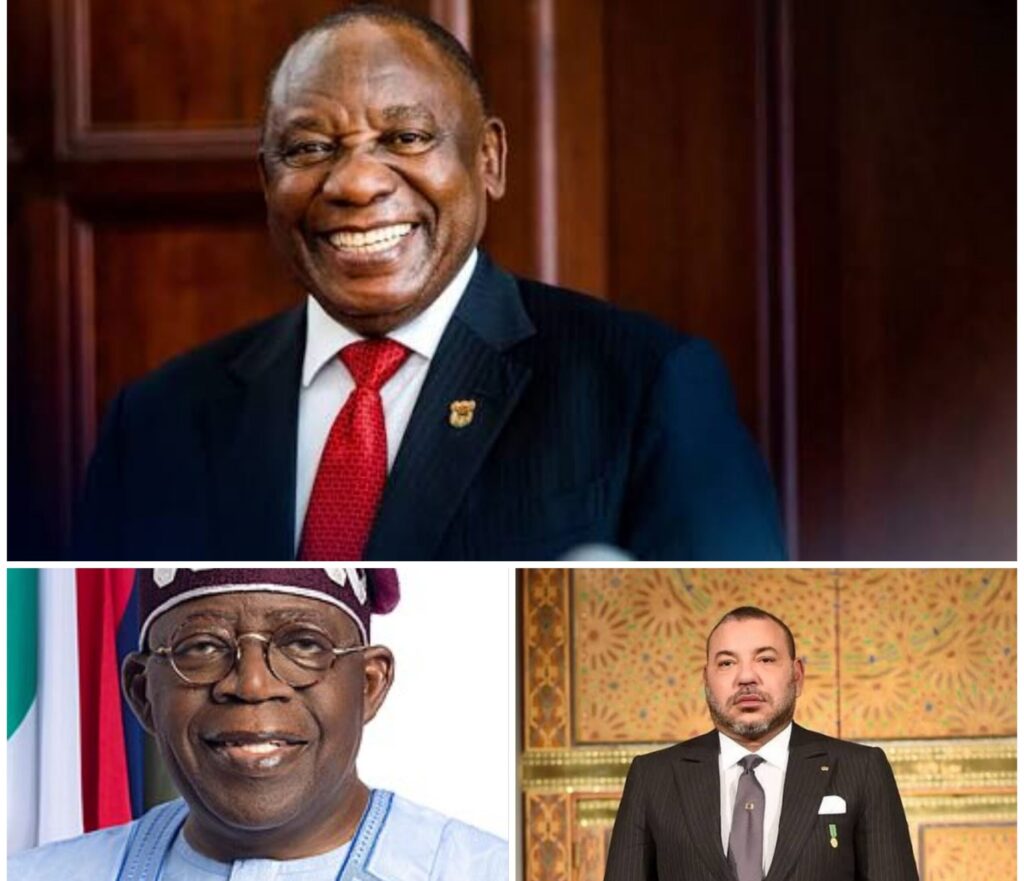
Africa’s economic structure in 2026 continues to be dominated by a small group of leading economies, with South Africa, Egypt, Nigeria, Algeria, and Morocco collectively accounting for nearly half of the continent’s total gross domestic product (GDP).
South Africa remains Africa’s largest economy, supported by its relatively diversified financial, mining, and manufacturing sectors. Despite ongoing domestic challenges, it continues to serve as a major economic anchor for the continent.
Egypt holds the position of the second-largest economy, driven by large infrastructure projects, urban development programmes, and continued economic reforms aimed at strengthening investor confidence and stabilising macroeconomic conditions.
Nigeria ranks among the top three economies in Africa, largely supported by its oil and gas industry as well as a rapidly expanding technology and services sector. However, it continues to face pressure from currency instability, inflation, and fiscal constraints.

Algeria and Morocco complete the top five, with Algeria benefiting from strong energy exports, particularly natural gas, while Morocco has strengthened its industrial base through automotive production, renewable energy investments, and export-oriented manufacturing.
Together, these five economies now generate close to half of Africa’s total GDP in 2026, reflecting a growing concentration of economic power within a limited number of states.
This concentration highlights both strength and imbalance across the continent. While larger economies continue to attract significant foreign direct investment due to their scale and infrastructure, smaller African economies remain heavily reliant on commodities and face slower diversification.
Economists note that recent shifts in global commodity prices, currency fluctuations, and industrial expansion have played a key role in reshaping Africa’s economic hierarchy. These factors have strengthened already large economies while increasing pressure on smaller, less diversified states.
The dominance of these five economies continues to influence investment flows into Africa, with investors prioritising markets that offer stability, larger consumer bases, and stronger industrial capacity.
However, analysts also warn that this pattern could deepen inequality between African economies unless structural reforms and regional integration efforts are accelerated.
Initiatives such as the African Continental Free Trade Area are increasingly seen as essential in promoting more balanced growth, encouraging industrialisation, and reducing economic disparities across the continent.
Overall, Africa’s 2026 economic outlook reflects both consolidation among major economies and ongoing challenges in achieving inclusive and evenly distributed growth.
About the Author

The Updated World delivers timely and well-researched articles on various topics, including the latest news updates, health, wellness, sports, current affairs, and more.
Related Contents