Ugandan MP Gen. Moses Ali Secures Another Term Amid Age and Health concern


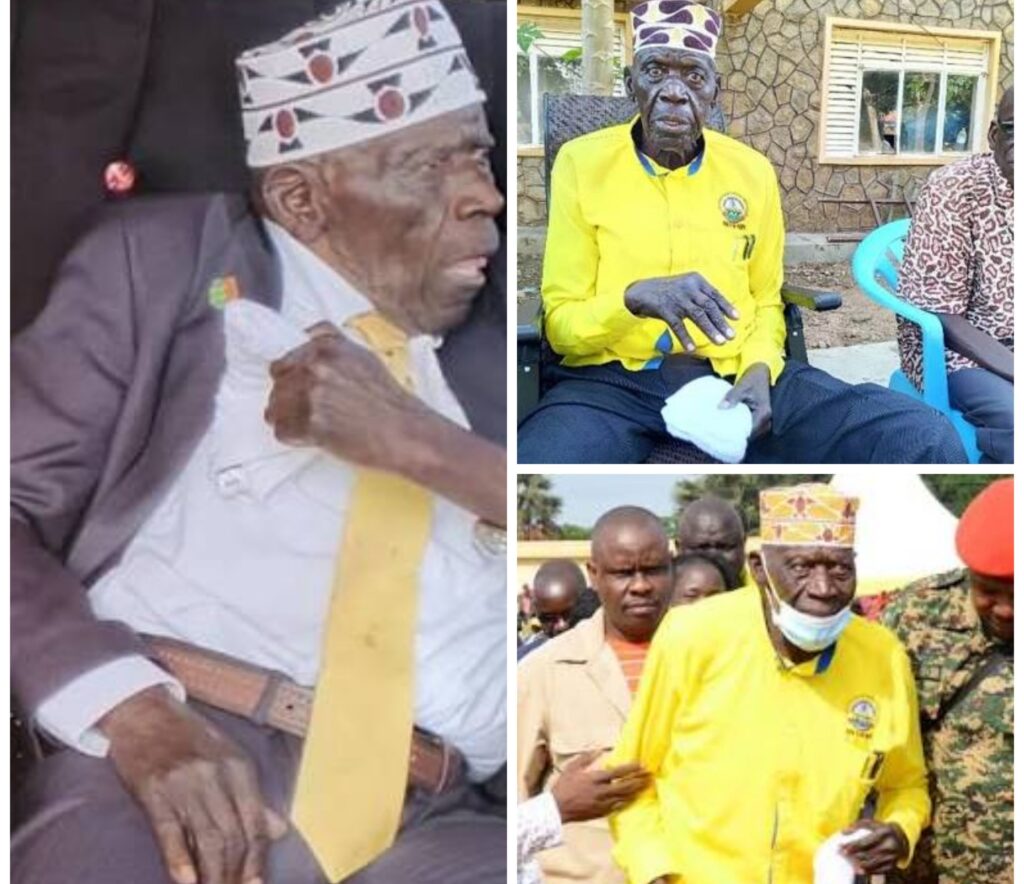
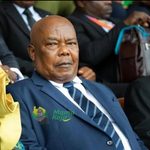
Ugandan First Deputy Prime Minister and veteran legislator General Moses Ali has secured another term in Parliament after winning the Adjumani West Constituency seat, overcoming intense public debate centered largely on his health condition during the campaign period.
The election attracted nationwide attention after questions were raised about Ali’s physical fitness to actively participate in parliamentary business. Critics pointed to his reduced public appearances and visible frailty at certain events as signs that he may be struggling to cope with the demands of office. These concerns fueled public discussions, particularly on social media and within civil society circles, about whether medical fitness should be a consideration for high public office.
Despite the scrutiny, Ali remained on the ballot and proceeded to win the closely contested race, defeating several challengers in an election that tested voter confidence in leadership continuity versus renewal. Electoral officials in Adjumani District confirmed that the ruling National Resistance Movement (NRM) candidate emerged victorious after final tallying of votes.
Throughout the campaign, Ali’s supporters dismissed claims that his health had compromised his ability to serve. They argued that while he may not be as physically active as younger politicians, his experience, institutional knowledge, and advisory role within government remain valuable. Party officials also emphasized that parliamentary work is supported by committees and staff, allowing senior leaders to contribute effectively even with physical limitations.

The debate over Ali’s health escalated to legal and political platforms, with activists and opposition figures calling for clearer regulations on medical fitness for candidates. However, no official medical assessment was presented to disqualify him, and election authorities maintained that he met all constitutional requirements to stand for office.
Only later in the discussion did Ali’s advanced age enter the public narrative, often linked to broader conversations about succession planning and generational leadership within Uganda’s political system. At 86, Ali is among the oldest serving members of Parliament, a fact that has both drawn criticism and reinforced his image as a symbol of political longevity.
Voters in Adjumani West appeared to prioritize familiarity and past performance over health-related uncertainties. Residents interviewed after the election cited Ali’s long-standing presence in the constituency, his role in advocating for local development projects, and his influence at the national level as key factors behind their decision to re-elect him.
Political analysts say the outcome highlights a recurring pattern in Ugandan politics, where voters often place greater trust in established figures, particularly in constituencies that value historical ties and access to central government power. They note, however, that the conversation about leadership health and capacity is unlikely to fade, especially as Uganda continues to grapple with questions about governance standards and political renewal.
Moreover, the parliamentary race unfolded alongside Uganda’s presidential election, in which President Yoweri Museveni secured a seventh term in office after recording a comfortable victory with about 72% of the vote. Opposition leader Robert Kyagulanyi, popularly known as Bobi Wine, finished second with approximately 19%.
The election was conducted amid a nationwide internet blackout, a move that drew criticism locally and internationally. Opposition groups rejected the outcome, urging Ugandans not to accept the results and alleging irregularities in the electoral process.
About the Author

The Updated World delivers timely and well-researched articles on various topics, including the latest news updates, health, wellness, sports, current affairs, and more.
Related Contents