Agriculture Ministry Calls for Stronger Tick Control After Crimean-Congo Fever Case


The Ministry of Agriculture has urged farmers across the country to strengthen their tick-control measures following a recently confirmed case of Crimean-Congo Haemorrhagic Fever (CCHF). The infected individual, who lived on a farm in the Khomas Region, later died.
According to Chief Veterinary Officer Dr Kenneth Shoombe, CCHF is a serious viral disease spread to humans through infected ticks, contact with contaminated animal tissues, or direct contact with the bodily fluids of an infected person. While animals generally show no clear signs of illness except a mild fever, infected people experience a sudden onset of symptoms such as high fever, muscle pain, dizziness, stiff neck, headache, eye discomfort, and sensitivity to light. Early symptoms may also include nausea, vomiting, diarrhoea, and stomach pain.
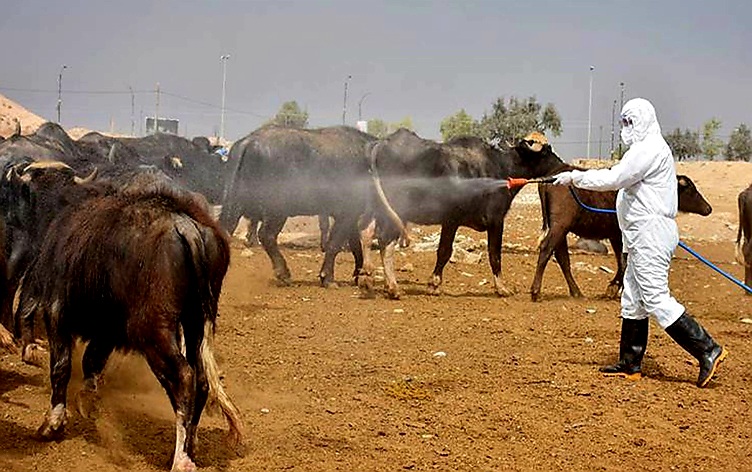
Dr Shoombe said the ministry is putting measures in place to reduce the risk of transmission. This includes strict enforcement of tick-control procedures at all animal-gathering events, as required by the Animal Gathering Events Protocol under DVS Circular V17/2021.
He added that the Directorate of Veterinary Services will oversee tick-control operations at high-risk farms and auction sites. Farmers and animal handlers are advised to carefully check livestock for ticks and wear protective clothing when working with animals.

“Farmers planning to sell their livestock at any gathering event must ensure that their animals are completely free of ticks,” Shoombe said.
About the Author

I'm a dedicated reporter with a passion for delivering accurate and informative content on a wide range of topics, including politics, social justice, celebrity stories, health reports, crime reports, sports and entertainment, economy, and technology. With a focus on in-depth research and fact-based reporting, I aim to provide insightful analysis and thoughtful commentary on the issues that shape our world.When I'm not reporting, I'm committed to staying up-to-date on the latest developments and trends in my areas of interest. I'm excited to be a part of The Updated World team and look forward to sharing my findings with the community.
Related Contents