Ministers, MPs and Governors Receive New Salary and Benefit Packages


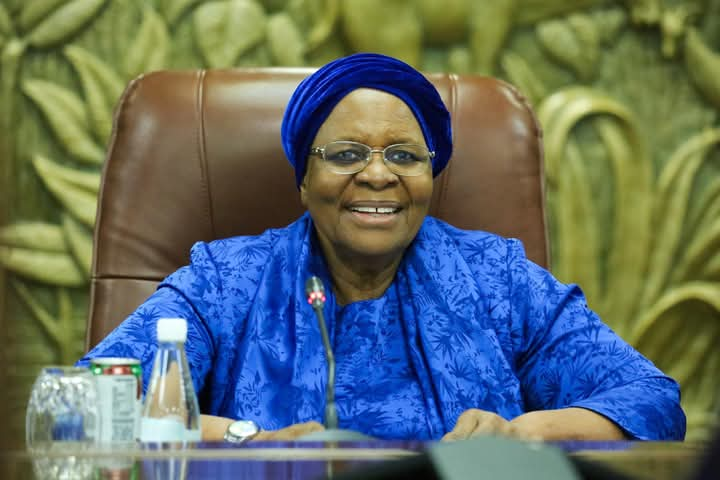
Namibia’s top public office bearers, including ministers, governors and members of parliament, will receive revised salaries and benefits following the approval of a new remuneration structure by President Netumbo Nandi-Ndaitwah.
Among those affected are regional governors, who will now earn annual remuneration of N$969 791. At regional council level, chairpersons are set to receive about N$926 065, while management committee members and ordinary councillors will earn N$660 657 and N$592 836 respectively.
The revised package also includes members of parliament. Ordinary members of the National Assembly will receive around N$878 706 per year, while chief whips and opposition leaders are expected to earn close to N$1.11 million.
In the National Council, the chairperson will receive about N$1.40 million annually, while the vice chairperson is expected to earn around N$1.2 million.
Senior government officials have also been included in the adjustments. Ministers, the attorney general, auditor general, intelligence chief and head of the national planning commission will each receive total annual remuneration of about N$1.34 million.

The Prime Minister will earn an estimated N$1.65 million a year, including salary and benefits, while the Deputy Prime Minister’s package will stand at approximately N$1.34 million. Deputy ministers will receive about N$969 791.
In the National Assembly leadership, the Speaker will earn around N$1.40 million, while the Deputy Speaker will receive about N$1.25 million. The Leader of the Official Opposition is set to receive roughly N$1.1 million.
Special advisors have also been included in the new structure, with annual packages ranging from about N$723 626 to more than N$1.3 million depending on level and responsibilities.
The salary adjustments were made following recommendations from the Public Office Bearers (Remuneration and Benefits) Commission. The new structure took effect on 1 April 2026 under a presidential proclamation signed on 27 April, replacing the framework introduced in 2017.
About the Author

The Updated World delivers timely and well-researched articles on various topics, including the latest news updates, health, wellness, sports, current affairs, and more.
Related Contents