Namibia Prepares to Test First Hydrogen-Powered Freight Locomotive


Namibia is preparing to test its first hydrogen-powered freight locomotive in a move aimed at modernising the country’s rail transport system and introducing cleaner energy solutions into the logistics sector.
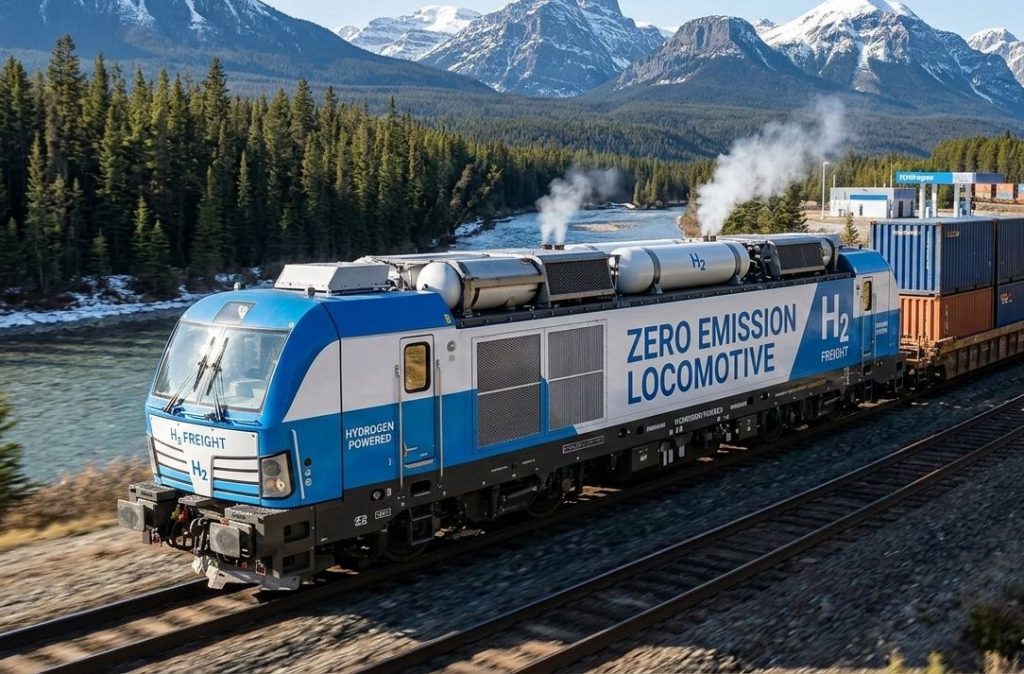
The hydrogen-powered freight service will operate trial runs between the Port of Walvis Bay and a container depot near Windhoek. The testing phase is expected to include about 50 round trips along the route as engineers evaluate the locomotive’s performance under real operating conditions.

The project is designed to demonstrate that existing diesel locomotives can be converted to hydrogen-powered systems without requiring major changes to current rail infrastructure. Supporters of the initiative believe the technology could provide a practical pathway for reducing emissions in freight rail operations while maintaining reliability.
Engineering and development of the locomotive is being led by CMB.TECH Namibia. The locomotive is currently being assembled at the facilities of South African rail engineering company Traxtion.

The initiative is part of a partnership involving TransNamib Holdings Limited, Africa Global Logistics and CMB.TECH Namibia. The partners are working together to explore how hydrogen energy can be integrated into Namibia’s freight rail system while gradually reducing reliance on fossil fuels.
The testing route between Walvis Bay and Windhoek spans approximately 414 kilometres. The railway line rises from about six metres above sea level at the coast to roughly 1,601 metres in the central highlands. The varying terrain is expected to provide valuable data on the locomotive’s traction capability, fuel consumption and reliability across different operating conditions.
The trial also seeks to demonstrate the potential of hydrogen-powered freight rail for long-distance transport, particularly in regions where railway networks are not electrified.
TransNamib, Namibia’s national rail operator, manages the country’s rail infrastructure and freight services. The company has been exploring options to modernise its operations, including the possible conversion of parts of its locomotive fleet to dual-fuel systems capable of using hydrogen.
Africa Global Logistics, which operates in more than 50 countries, is also supporting the project. The company manages operations at the Walvis Bay Multipurpose Bulk Terminal and plays a role in developing regional freight and logistics corridors.
Hydrogen used in the trial will be produced locally at a hydrogen plant in Walvis Bay operated by CMB.TECH Namibia. The facility operates off-grid and will supply the green hydrogen required for the demonstration. The project aims to highlight how locally produced hydrogen could support existing logistics corridors in Namibia.
The locomotive is fitted with a dual-fuel hydrogen combustion engine developed by BeHydro, a joint venture between CMB.TECH and Anglo Belgian Corporation. The technology has been developed for use in rail, marine transport and power generation.
The locomotive’s engine produces about 2,250 horsepower and can operate using both diesel and green hydrogen. Hydrogen will be stored in two 20-foot containers mounted on a fuel tender positioned behind the locomotive. Each container can carry up to 360 kilograms of compressed hydrogen.
Refuelling will be carried out using a mobile refuelling system developed by CMB.TECH. The hydrogen containers can also be swapped out within minutes to minimise operational downtime.
Engineers say the dual-fuel design ensures operational flexibility. If the hydrogen system becomes unavailable during operations, the locomotive will continue running on diesel, allowing freight services to proceed without interruption.
About the Author

The Updated World delivers timely and well-researched articles on various topics, including the latest news updates, health, wellness, sports, current affairs, and more.
Related Contents