Divundu is a Tourism Hotspot Namibia Has Failed to Develop to Standard


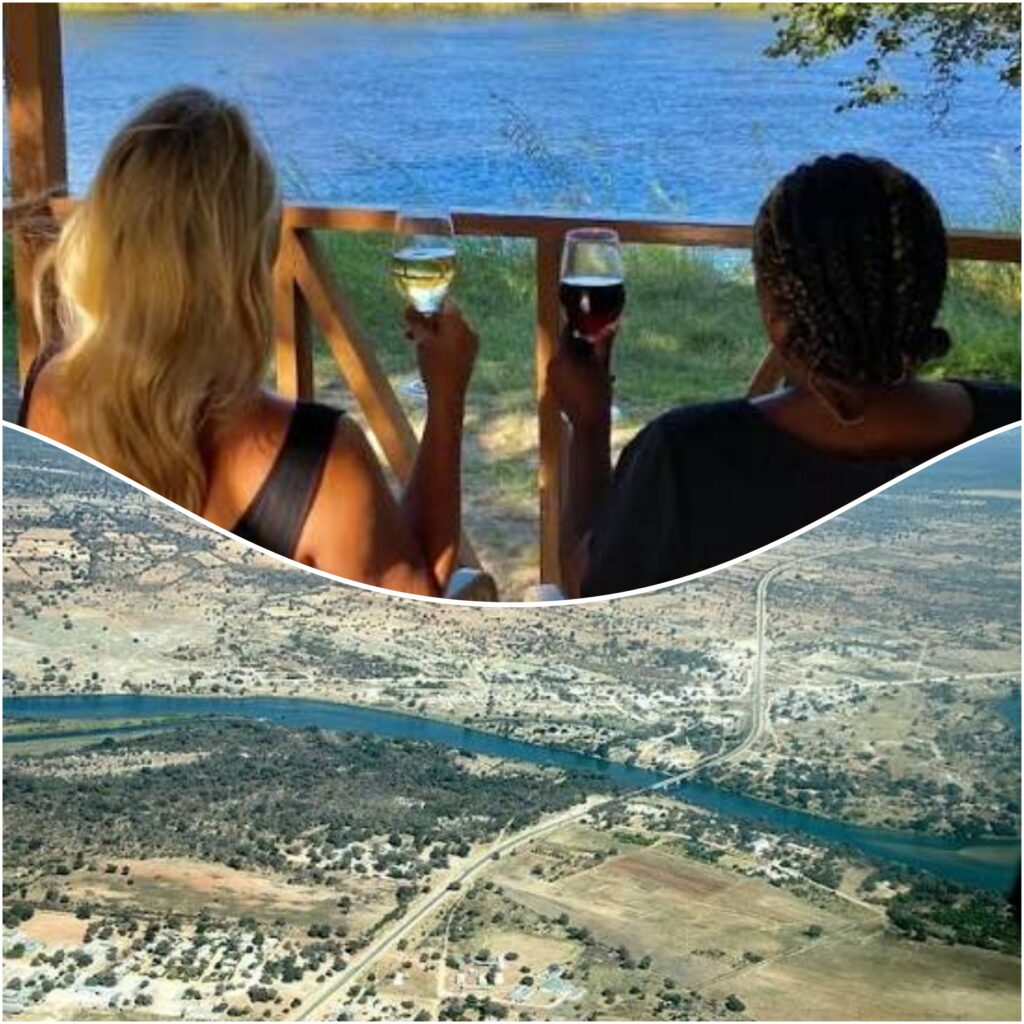
Divundu is one of Namibia’s most strategically located and naturally gifted settlements, yet it remains largely underdeveloped despite its growing importance as a tourism hub. Situated in the Kavango East Region, Divundu lies along the Kavango River and serves as a gateway to some of the country’s most iconic natural attractions. While the area continues to attract thousands of visitors each year both local and international government-led infrastructure development has not kept pace with its rising economic and tourism potential.
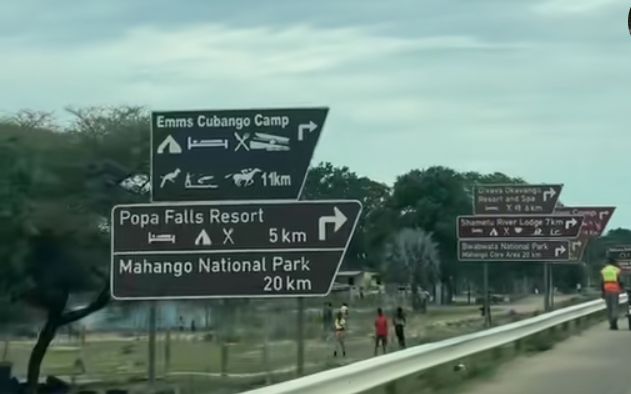
Anyone who has spent time in Divundu during peak holiday seasons will notice a striking reality: at times, the village appears to host more foreign tourists than local residents. This is not by coincidence. From the moment one enters Divundu, tourism is immediately visible. Directional signs to lodges, resorts, campsites, and safari destinations far outnumber standard road or public service signs. This alone tells a story of a settlement driven largely by private tourism investment rather than structured public planning.

Divundu’s appeal is closely linked to its surrounding attractions. The village sits near the Bwabwata National Park, Mahango Game Reserve, and the well-known Popa Falls (Popa Rapids). These sites are among the most visited natural destinations in north-eastern Namibia, offering wildlife viewing, river-based activities, birdwatching, and cultural tourism.
However, Divundu’s value extends beyond these attractions. Its geographic position gives it a regional advantage. Located close to the Mohembo (Muhembo) Border Post, Divundu has the potential to attract not only Namibian tourists but also residents from neighbouring Botswana, especially those living along the Border. With proper infrastructure, Divundu could easily develop into a cross-border tourism and service centre, benefiting both countries economically.

In addition to tourism, Divundu is blessed with fertile soil, thanks to its proximity to the Kavango River. The area is suitable for large-scale and small-scale agriculture, a fact already recognised through government-supported projects such as the Blueberry Projects at Ndongo, located approximately five kilometres from Divundu. This initiative demonstrates that Divundu has the potential to become an agricultural production zone, contributing to food security, employment, and export opportunities.
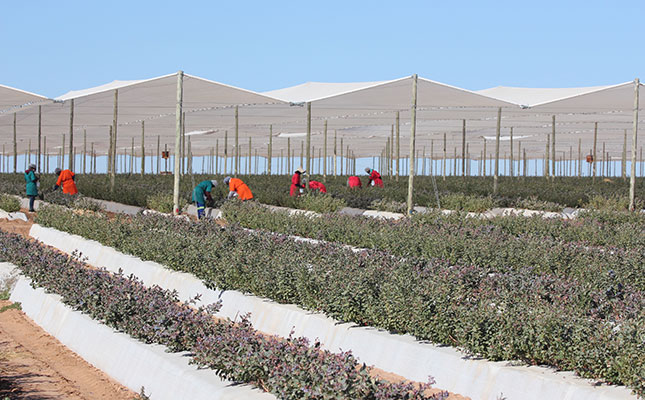
Despite this potential, agricultural development in the area remains limited, and value chains such as agro-processing, storage facilities, and markets have not been fully established.
Currently, the most visible economic growth in Divundu is driven by private investors. Hotels, lodges, resorts, guesthouses, rental houses, and restaurants dominate the business landscape. These establishments primarily target tourists, safari operators, and cross-border travellers.
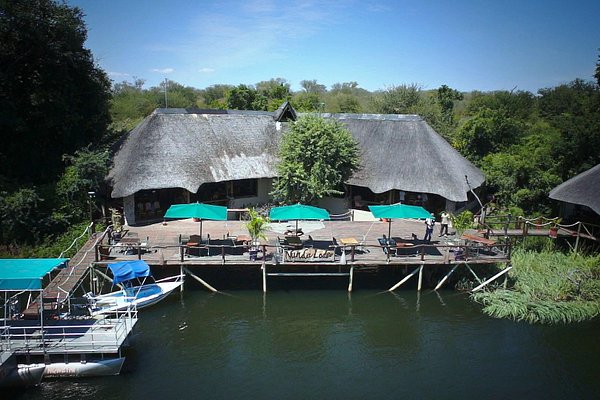
While this growth is positive, it also exposes a major gap: development is not inclusive or balanced. Essential public services and urban infrastructure have not grown alongside private tourism businesses, leaving residents to struggle with basic needs.
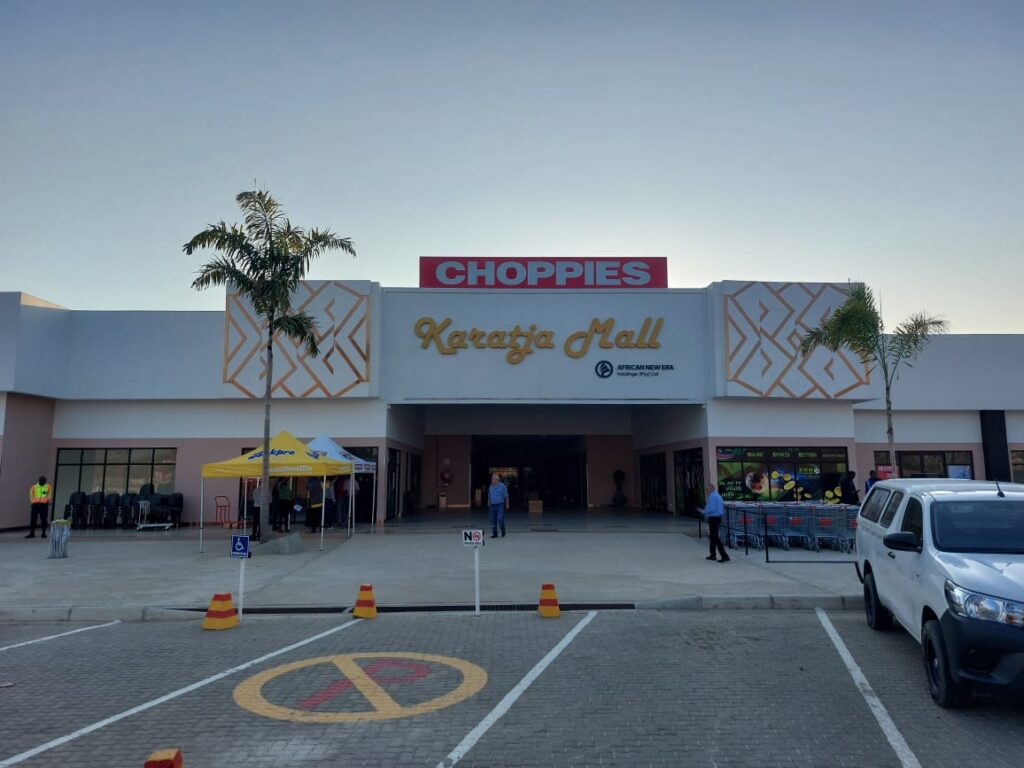
Despite its importance, Divundu cannot yet be compared to even the smallest towns in Namibia. When entering Divundu from Rundu, one encounters a single shopping complex hosting businesses such as Choppies, Pep Stores, Lewis Furniture, Chinese retail shops, and a few other outlets. To access another commercial centre where Metro and Shoprite are located one must travel approximately four kilometres further. This fragmented layout reflects poor spatial planning and the absence of a properly developed central business district (CBD).
Severe Infrastructure Challenges
Divundu faces serious infrastructure shortages that affect both residents and visitors:
- Healthcare: The area has only a clinic. There is no hospital, forcing residents to travel long distances to Andara District Hospital for serious medical attention.
- Banking Services: Banking facilities are extremely limited. There are only three ATMs, two linked to Standard Bank, and one for Bank Windhoek, creating difficulties for people using other banks. This is particularly concerning given that Divundu serves many surrounding villages whose residents depend on it for shopping and services.
- Roads and Urban Planning: Road networks, drainage systems, street lighting, and public transport facilities are insufficient for a growing settlement.
- Public Services: There is limited access to government offices, social services, and emergency response infrastructure.
A Missed Opportunity for Northern Namibia
If Divundu were properly developed into a town, it could become one of the most important destinations in northern Namibia. Its combination of tourism, agriculture, cross-border trade, and natural beauty makes it unique. A well-planned Divundu could ease pressure on Rundu, create jobs, improve service delivery, and significantly boost regional economic growth.
Divundu’s current state highlights a broader issue in Namibia’s development planning areas with high economic potential are often left to grow organically without structured government support. While private investors have recognised Divundu’s value, sustainable development requires public investment in infrastructure, healthcare, banking, roads, housing, and urban planning.
Without decisive intervention, Divundu risks becoming a tourism enclave that benefits visitors more than residents. With proper planning and political will, however, Divundu could transform into a vibrant town that serves as a model for rural and tourism-led development in Namibia.
About the Author

The Updated World delivers timely and well-researched articles on various topics, including the latest news updates, health, wellness, sports, current affairs, and more.
 Guest
Guest TUW
TUWRelated Contents