Health Ministry Steps Up Anti-Corruption Measures Amid Supply Chain Concerns



The Ministry of Health and Social Services (MHSS) has intensified its efforts to close potential loopholes for corruption within the health sector, with a four-day Corruption Risk Assessment (CRA) workshop aimed at identifying vulnerabilities and strengthening safeguards around public resources.
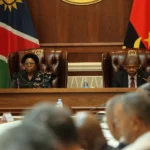
The workshop, facilitated by the Anti-Corruption Commission (ACC), was officially opened in Windhoek by Dr Theo-Ben Kandetu, Deputy Executive Director in the Ministry of Health and Social Services, on behalf of the Executive Director.

The initiative follows a directive by Prime Minister Dr Tjitunga Elijah Ngurare for government institutions to conduct regular corruption risk assessments as part of broader efforts to strengthen accountability and good governance in the public sector.
Kandetu said the exercise was particularly important for the health ministry because of the substantial public resources under its management, including one of the country’s largest and most critical pharmaceutical supply chains.

He acknowledged that the size and complexity of the Ministry’s operations create opportunities for systemic weaknesses to emerge if adequate controls are not maintained.
Among the concerns highlighted were allegations of stock data manipulation, artificial medicine shortages and the misuse of emergency procurement procedures.
Kandetu warned that such weaknesses could have consequences far beyond financial losses, ultimately affecting patients who depend on public health facilities for essential medicines and services.
“When public funds are drained through systemic leaks, it is the ordinary Namibian patient who pays the ultimate price,” he said.
The Ministry is therefore pursuing several measures aimed at strengthening integrity and accountability within its operations.
These include cooperation with ongoing investigations and administrative action against staff implicated in misconduct.
The Ministry is also introducing mandatory security vetting for 363 critical positions, particularly those considered important to the management and protection of health-sector resources.
The vetting process is intended to strengthen confidence in the personnel entrusted with sensitive responsibilities while ensuring that ethical standards remain central to the management of public health resources.
Over the four days, participants will examine the Ministry’s systems and operations to identify areas vulnerable to corruption.
The assessment is expected to culminate in the development of a concrete Corruption Risk Mitigation Plan outlining measures to address identified weaknesses.
The workshop comes at a time when public institutions are under increasing pressure to demonstrate that government resources are being managed transparently and efficiently.
For the health sector, the stakes are particularly high, as weaknesses in procurement, stock management or financial controls can directly affect the availability of medicines and other essential services.
Kandetu called on participants to approach the assessment as a collective responsibility, stressing that preventing corruption requires more than investigations after wrongdoing has occurred.
“Let us work together to ensure that every Namibian dollar allocated to health is spent on healing, and not lost to systemic vulnerabilities,” he urged.
The Ministry said the exercise forms part of its broader commitment to strengthening institutional controls, protecting public resources and ensuring that healthcare delivery remains focused on the needs of Namibians.
About the Author

The Updated World delivers timely and well-researched articles on various topics, including the latest news updates, health, wellness, sports, current affairs, and more.
 Guest
GuestRelated Contents