U.S. Imposes Travel Restrictions on Two African Countries as 2026 World Cup Nears


With the 2026 FIFA World Cup fast approaching, growing concerns are emerging over whether thousands of international football fans will be able to travel to the United States to support their national teams.
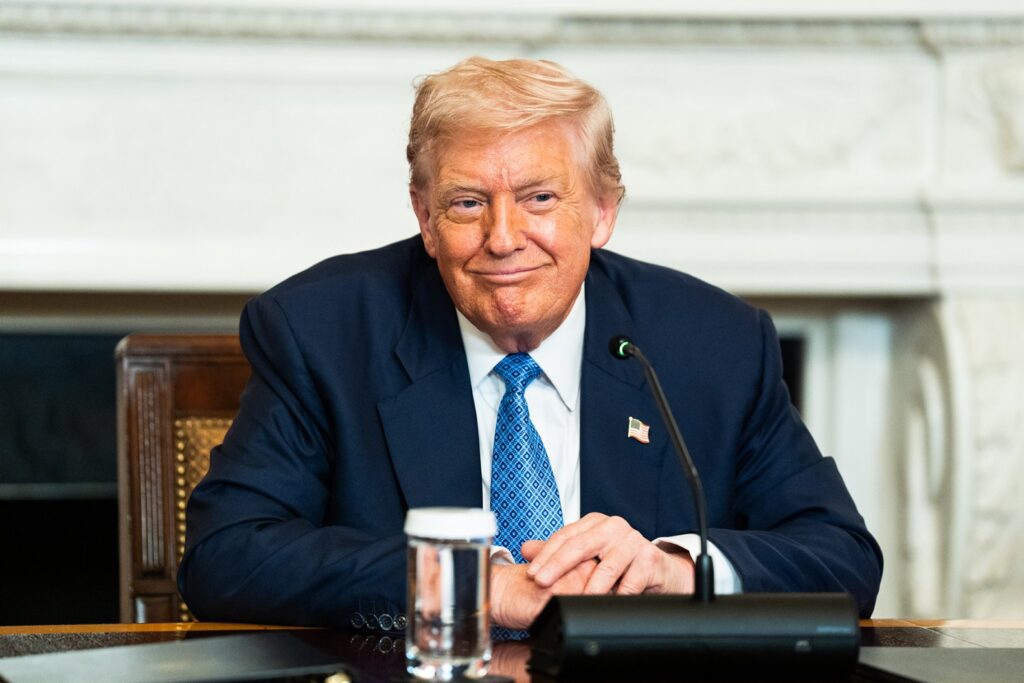
On Tuesday, the U.S. government announced new partial travel bans that could prevent supporters from African football powerhouses Senegal and Ivory Coast from entering the country during the tournament. The decision follows a proclamation signed by President Donald Trump, which expanded existing travel restrictions to include two more countries expected to compete at the World Cup. Fans from Iran and Haiti are already affected by similar measures, placing multiple football-loving nations under uncertainty ahead of the global event.
U.S. authorities have stressed that the restrictions are not linked to football, FIFA, or the World Cup itself, but are instead rooted in immigration control and national security policy. According to government explanations, travel bans are typically applied to countries perceived to have weak identity verification systems, limited information-sharing with U.S. security agencies, or high rates of visa overstays. Broader concerns such as governance challenges and security risks also play a role in these decisions.
As a result, nationals from affected countries may face partial or full entry restrictions, regardless of their reason for travel. This means that even supporters planning short-term visits solely to attend World Cup matches could be denied entry unless special exemptions are introduced.

The development has sparked debate among football stakeholders and fans, with critics arguing that the World Cup is meant to unite nations and cultures. They warn that excluding supporters undermines the spirit of the tournament and could impact stadium atmospheres and international goodwill. Others, however, maintain that national security considerations take precedence over sporting events.
With the United States set to co-host the 2026 FIFA World Cup alongside Canada and Mexico, pressure is expected to mount on U.S. authorities and FIFA to clarify whether special visa arrangements or temporary waivers will be granted for the duration of the tournament. Until then, supporters from Senegal, Ivory Coast, Iran, Haiti and other affected nations remain uncertain about their chances of attending what is expected to be the biggest World Cup in history.
About the Author

The Updated World delivers timely and well-researched articles on various topics, including the latest news updates, health, wellness, sports, current affairs, and more.
Related Contents