United States Signs $16 Billion Health Deals With 14 African Nations


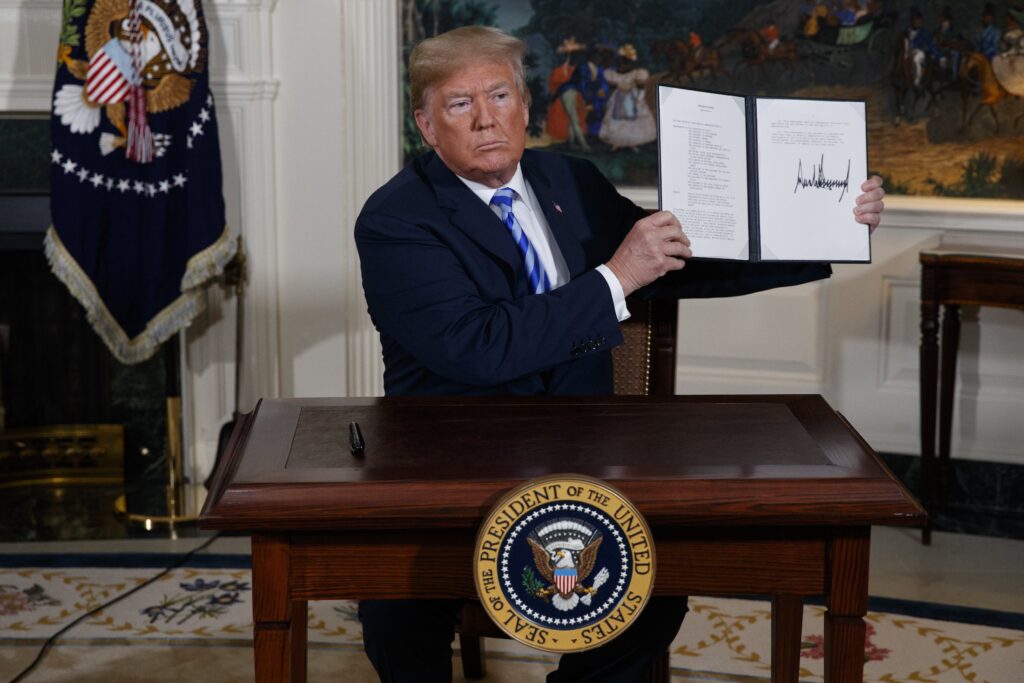
The United States has significantly expanded its health-sector engagement across Africa, committing an estimated US$16 billion through a series of bilateral health agreements with 14 African countries. These partnerships are designed to strengthen national health systems, improve access to essential medical services, and support long-term public health resilience, particularly in countries facing high disease burdens and structural healthcare challenges.
Rather than focusing on short-term aid, the agreements largely emphasize capacity building, disease prevention, health infrastructure development, and workforce training. Many of the programmes are aligned with broader global health priorities such as combating HIV/AIDS, tuberculosis and malaria, improving maternal and child health, expanding vaccination coverage, and strengthening emergency preparedness. In several countries, the funding also supports data systems, pharmaceutical supply chains, and community-based healthcare delivery.
Nigeria emerges as the largest beneficiary, reflecting both its population size and its central role in West Africa’s health landscape. The multi-billion-dollar commitment to Nigeria targets large-scale public health programmes, institutional strengthening, and expanded access to care. Kenya and Uganda follow closely, with substantial investments aimed at reinforcing regional health leadership, research capacity, and service delivery networks in East Africa.
Southern and Central African countries also feature prominently. Mozambique, Ethiopia, and Cameroon have received sizeable commitments intended to address persistent health system gaps, including rural healthcare access and infectious disease control. Smaller economies such as Botswana, Lesotho, Eswatini, and Rwanda have secured targeted agreements that focus on sustainability, prevention, and specialised health interventions relative to their population size.

West African and Indian Ocean nations including Ivory Coast, Liberia, Sierra Leone, and Madagascar are included as part of a broader effort to promote health stability in regions that have previously experienced public health shocks. Although the monetary values in these countries are comparatively smaller, the agreements remain strategically important, often supporting critical programmes such as epidemic preparedness, primary healthcare strengthening, and workforce development.
Overall, the US$16 billion commitment underscores a strategic shift toward long-term health partnerships rather than emergency-driven assistance. By spreading investments across diverse regions and tailoring support to country-specific needs, the agreements aim to deliver measurable improvements in health outcomes while reinforcing local systems to operate independently over time.
Countries Covered Under US Health Agreements in Africa
| No. | Country | Region | Estimated Health Agreement Value (USD) |
|---|---|---|---|
| 1 | Nigeria | West Africa | $5.1 Billion |
| 2 | Kenya | East Africa | $2.5 Billion |
| 3 | Uganda | East Africa | $2.3 Billion |
| 4 | Mozambique | Southern Africa | $1.8 Billion |
| 5 | Ethiopia | East Africa | $1.5 Billion |
| 6 | Cameroon | Central Africa | $0.8 Billion |
| 7 | Ivory Coast | West Africa | $0.5 Billion |
| 8 | Botswana | Southern Africa | $0.5 Billion |
| 9 | Lesotho | Southern Africa | $0.4 Billion |
| 10 | Eswatini | Southern Africa | $0.2 Billion |
| 11 | Rwanda | East Africa | $0.2 Billion |
| 12 | Liberia | West Africa | $0.2 Billion |
| 13 | Madagascar | Indian Ocean | $0.2 Billion |
| 14 | Sierra Leone | West Africa | $0.2 Billion |
These agreements collectively represent one of the most extensive external health investment portfolios on the continent, with implications for public health outcomes, regional stability, and future international cooperation in Africa’s health sector.
About the Author

The Updated World delivers timely and well-researched articles on various topics, including the latest news updates, health, wellness, sports, current affairs, and more.
Related Contents