H5N1 Bird Flu Confirmed Near Lüderitz


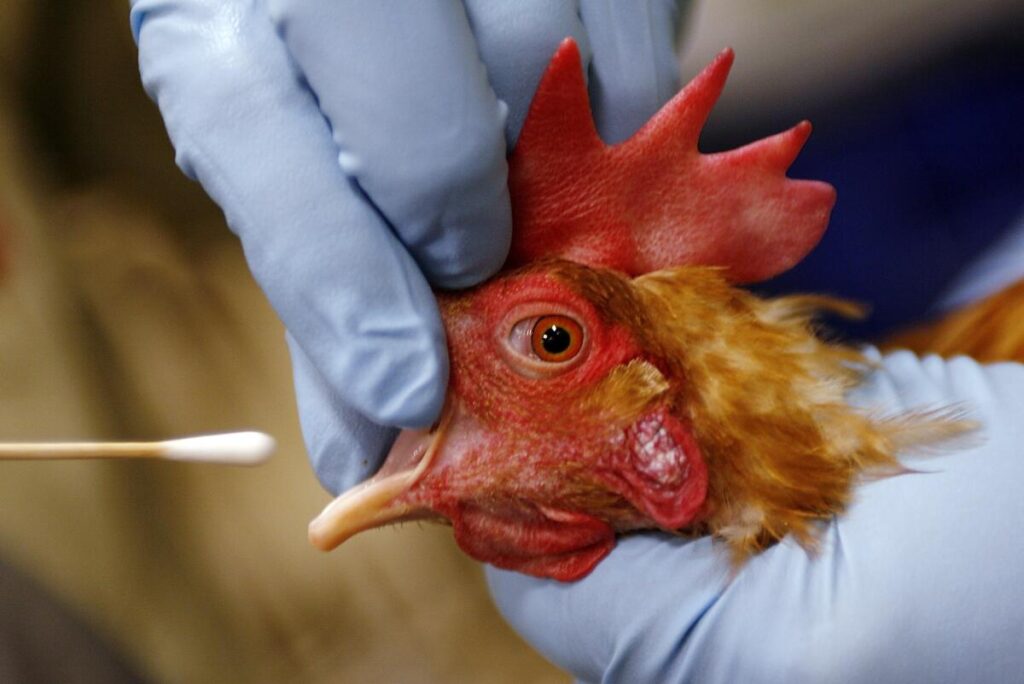
Veterinary authorities have confirmed the presence of a dangerous strain of avian influenza along Namibia’s southern coast, prompting swift intervention measures in the Lüderitz area of the //Karas Region.
The Ministry of Agriculture, Fisheries, Water and Land Reform announced that tests have verified an outbreak of highly pathogenic avian influenza, known as H5N1, in wild bird populations. The virus, which is capable of crossing from animals to humans, was detected earlier this month and has raised concern among both health officials and environmental researchers.

The confirmation followed the discovery of a sick seabird within a residential area of Lüderitz. Samples collected from the bird were analysed at the Central Veterinary Laboratory in Windhoek, where the virus was positively identified on 10 December 2025. Ongoing field observations have since noted an increasing number of wild birds on nearby Mercury Island displaying signs consistent with the disease. Experts believe migrating birds are the most likely source of the infection.
Marine specialists have indicated that this is the third time avian influenza has been recorded in Namibia’s coastal ecosystems. Earlier outbreaks resulted in significant losses among penguin colonies in the south and later affected cormorant populations further north. Unlike previous strains, the current H5N1 variant is considered particularly severe due to its ability to infect mammals and its wide global spread, including polar regions.

Avian influenza is a viral disease that affects bird species worldwide, with some strains causing mild illness and others leading to rapid death. Highly pathogenic forms such as H5N1 often result in sudden symptoms and high mortality rates among affected birds.
Infected birds may show visible swelling, abnormal skin colouring on the head and legs, disorientation, paralysis, diarrhoea and internal bleeding. The virus spreads easily through direct contact between birds or indirectly through contaminated water, feed, equipment and surfaces. Domestic poultry are especially vulnerable when biosecurity measures are weak or when contact with wild birds occurs.
As a precaution, authorities have suspended the harvesting and transportation of guano from the affected coastal zone and imposed restrictions on the movement of live birds and bird products in the area. Residents have been cautioned against handling sick or dead birds, and any disposal must be carried out under official supervision.
Poultry farmers have been instructed to strengthen biosecurity practices by separating poultry from wild birds, securing feed and water sources, restricting access to poultry facilities and maintaining strict hygiene standards. The use of vaccines or medical treatment for avian influenza in birds remains prohibited under Namibian law.
Officials have also warned that human infection, although uncommon, is possible through close exposure to infected birds or contaminated environments. Members of the public are therefore urged to follow safety guidance and report any unusual bird deaths immediately.
Suspected cases should be reported to the nearest State Veterinary Office or authorised veterinary personnel in the //Karas and Erongo regions. Authorities have appealed for cooperation from communities, farmers and stakeholders to prevent further spread and protect both animal and public health.
About the Author

The Updated World delivers timely and well-researched articles on various topics, including the latest news updates, health, wellness, sports, current affairs, and more.
Related Contents