Ted Turner, Visionary Founder of CNN and Pioneer of 24-Hour News, Dies at 87


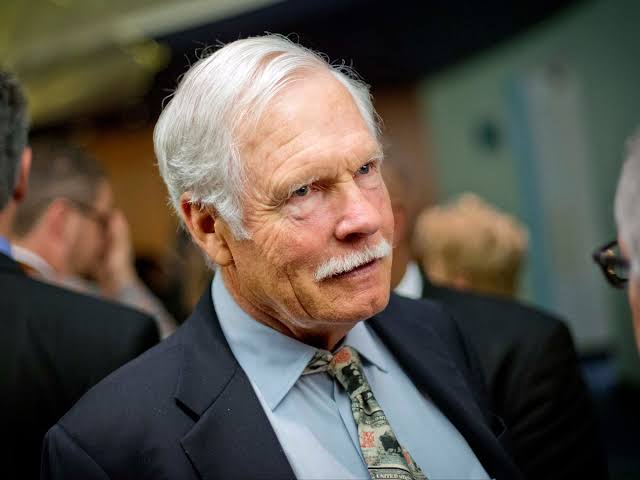
The man who redefined modern television news, Ted Turner, has died at the age of 87, bringing to a close the life of a media pioneer whose ideas reshaped how the world receives information.
Turner, an American entrepreneur known for his bold and unconventional approach to broadcasting, rose to global prominence after launching Cable News Network (CNN) in 1980. At a time when television news was limited to scheduled bulletins, his concept of a 24-hour news channel was widely doubted. However, it quickly proved revolutionary, allowing audiences to follow major global events in real time and setting a new standard for journalism.

Over the years, CNN became a dominant force in international reporting, gaining recognition for its live coverage of conflicts, political developments and breaking news across continents. Turner’s vision not only transformed television but also influenced the broader media landscape, paving the way for continuous news cycles that are now standard worldwide.
Beyond CNN, Turner built an extensive broadcasting portfolio under Turner Broadcasting, helping to establish networks such as TBS, TNT and Cartoon Network. His business decisions played a major role in expanding cable television and diversifying content for global audiences. In 1996, he sold his media empire to Time Warner in a landmark deal that significantly altered the structure of the industry.

In later years, Turner shifted much of his focus toward philanthropy and global advocacy. He committed substantial resources to humanitarian and environmental causes, including a landmark donation that led to the creation of the United Nations Foundation. He also co-founded initiatives aimed at reducing nuclear threats, reflecting his long-standing concern for global stability.
Turner had previously disclosed that he was living with Lewy body dementia, a condition that affected his health in recent years. Despite this, his influence remained widely acknowledged, with many crediting him as one of the most important figures in the history of broadcasting.
His passing has prompted tributes from across the media industry and beyond, with many describing him as a visionary who challenged convention and permanently changed the way news is delivered. His legacy continues to be felt in newsrooms around the world, where the model he introduced more than four decades ago remains a defining feature of modern journalism.
About the Author

The Updated World delivers timely and well-researched articles on various topics, including the latest news updates, health, wellness, sports, current affairs, and more.
Related Contents