Over 100 women and men of UDP still Pushes for Zambezi Secession Agenda


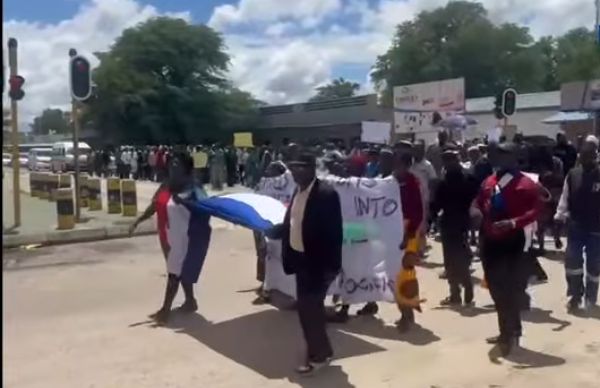
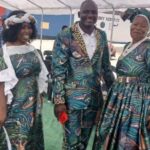
Supporters associated with the United Democratic Party (NDP) gathered earlier today at Choto Grounds before proceeding, under police supervision, to submit a petition to the Zambezi regional authorities calling for the secession of the region from Namibia.
The group later marched to the office of the regional governor, where the petition was formally delivered. Although the UDP was outlawed in 2007 due to its secessionist ideology, the document once again outlined the party’s long-standing demand for the Zambezi Region, formerly known as the Caprivi Strip, to separate from the Namibian state.
The demonstration followed another protest held two days earlier by different community members, who had already handed a petition to the Governor of Katima Mulilo. In that submission, residents urged the government to prohibit the NDP from holding public meetings or demonstrations, arguing that such activities undermine national unity.
According to NDP supporters, today’s protest was a response to what they described as the government’s failure to react to earlier demands within a period they had set. They claim the absence of an official response prompted the renewed demonstration.

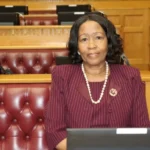
However, Zambezi Regional Governor Dorothy has declined to accept a petition submitted by members of the United Democratic Party (UDP), citing procedural concerns.
The governor stated that UDP supporters should first engage with their respective traditional authorities, noting that several traditional leaders had already presented petitions earlier this week opposing the party’s secessionist ideology. She emphasized that these petitions reflected the position of community leadership structures within the region and should be taken into account before any further action is pursued.
Meanwhile, some community members questioned the authorities’ handling of the situation, raising concerns over why a gathering linked to a banned political organisation was allowed to take place. The events have once again drawn attention to tensions in the region regarding secessionist calls and the enforcement of political restrictions.
About the Author

The Updated World delivers timely and well-researched articles on various topics, including the latest news updates, health, wellness, sports, current affairs, and more.
Related Contents