President’s Absence from Genocide Remembrance Ceremony Draws Criticism, Sparks Debate


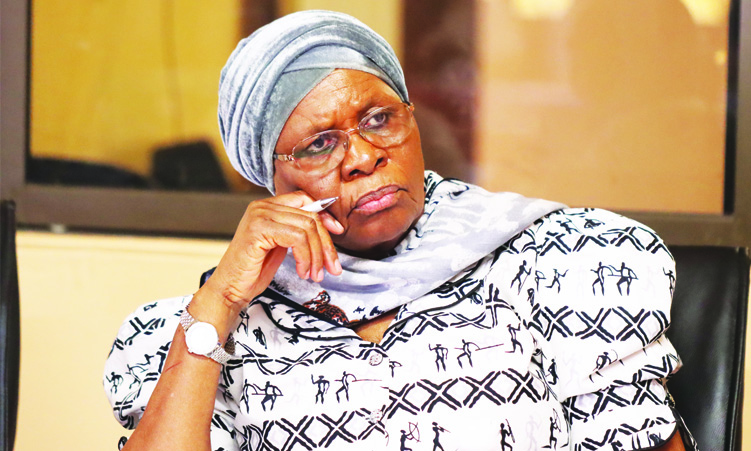
President Netumbo Nandi-Ndaitwah’s absence from this year’s Genocide Remembrance Day commemoration has drawn criticism from the Landless People’s Movement (LPM), while a political analyst says the significance of the decision will ultimately depend on government’s continued commitment to remembrance, reconciliation and reparations.
The national commemoration, held in Eenhana, was attended by Vice President Lucia Witbooi, who represented the Head of State. However, the President’s absence has raised questions among some political observers and opposition figures about the symbolic importance of leadership participation in events dedicated to remembering the 1904–1908 genocide.
LPM spokesperson Lifalaza Simataa described the absence as part of what he views as government’s longstanding failure to demonstrate meaningful leadership on genocide-related issues.
“The executive ruled by the South West Africa People’s Organisation has consistently shown little regard or a genuine interest in genocide matters or engaging the harmed communities and their leaders on the matter of genocide,” Simataa said.

He argued that government’s approach to genocide recognition and reparations has historically fallen short of the expectations of affected communities.
“We would say it’s a continued failure to demonstrate leadership on the matter, as their approach to genocide has never been one to fully embrace the instances or fully fight for its recognition nor to actually interact with the impacted groups,” he said.
Simataa further questioned government’s commitment to genocide remembrance, claiming that affected communities have not been sufficiently consulted on key decisions.
“We believe the government’s interest has a lot to desire regardless, as they do not actively attempt to engage the impacted communities and its leaders. Even the day chosen by the government was without consultation of the groups and is to displeasure,” he said.
According to Simataa, the President’s absence reinforces perceptions that government’s commitment to the genocide cause remains inadequate.
“The commitment is half-hearted to begin with, if not lacking, and the action that took place further adds to the expression that government isn’t fully behind the impacted groups,” he added.
He further warned that the absence could affect public confidence in government’s handling of genocide-related matters.
“It continues to show that the commitment placed on the genocide conversation as a whole is approached with a lacklustre attitude by the government, where they are window dressing their interest. There is more need for a unified stance and incorporating leaders of the impacted groups,” Simataa said.
Meanwhile, political analyst Dr. Ndumba Kamwanya said the presence of a president at national remembrance events carries significant symbolic value.
“A president’s presence at a national remembrance event carries strong symbolic and political meaning. It reflects solidarity, respect for victims, and commitment to national healing,” Kamwanya said.
He noted that while leaders may occasionally miss official events because of competing duties, genocide remembrance occupies a unique place in Namibia’s history and national consciousness.
“It is true that leaders sometimes miss national events because of other official duties. However, in this case, the absence may still attract political and public attention because genocide remembrance is emotionally and historically significant,” he said.
Kamwanya explained that public reactions are likely to differ depending on how government communicates the reasons for the President’s absence and how it continues to engage with genocide-related issues.
“Symbolically, some may view it as distancing, while others may accept it if government representation and communication were handled properly,” he said.
He added that the long-term political impact of the controversy would depend on government’s future actions rather than a single event.
“If there is continued commitment through policy, dialogue and participation in future events, the issue may fade quickly. But if concerns around these matters persist, the absence could become part of a broader public debate about government priorities,” Kamwanya said.
The debate comes as Namibia continues to pursue recognition, justice and reparations relating to the genocide committed against the Ovaherero and Nama people during German colonial rule.
While government has maintained that its commitment to these efforts remains unchanged, the President’s absence from this year’s commemoration has reignited discussion about the role of political leadership in national remembrance and reconciliation processes.
About the Author

The Updated World delivers timely and well-researched articles on various topics, including the latest news updates, health, wellness, sports, current affairs, and more.
Related Contents