Starlink Fails to Meet Licensing Requirements in Namibia, Government Explains Decision


The Namibian government says the decision not to approve a licence for Starlink was based on regulatory requirements that were not fully met, following an official review of the company’s application to operate in the country.
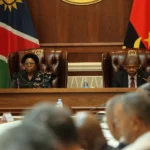
Speaking during a media briefing at the Government Information Centre on Tuesday, Minister of Information and Communication Technology, Emma Theofelus, together with the Board Chairperson of the Communications Regulatory Authority of Namibia (CRAN), Tulimevava Mufeti, clarified the reasons why the satellite internet provider owned by Elon Musk did not receive approval.

According to Theofelus, the application submitted by Starlink was carefully evaluated against the legal requirements set out in Namibia’s communications laws. However, the company reportedly met only three out of the six conditions needed for a telecommunications licence to be granted.
One of the main issues raised during the assessment was the local ownership requirement contained in Section 46 of the Communications Act. The law states that telecommunications service providers operating in Namibia must have at least 51 percent shareholding owned by Namibian citizens or locally registered entities. The minister said this condition was not satisfied in Starlink’s application.

Theofelus stressed that the government is not against technological development, but must ensure that all companies comply with national regulations designed to protect local participation in the communications sector.
She added that Namibia remains open to innovation and investment, but such developments must support the country’s laws and contribute to the wellbeing of all Namibians.
About the Author
Aneli Fura is a Senior Editor at The Updated World, where he oversees and contributes to general news coverage across Namibia. His reporting focuses on crime, accidents, local developments, and other important stories affecting communities across the country.
Related Contents