Bank of Namibia Introduces 24-Month Loan Repayment Relief for Farmers


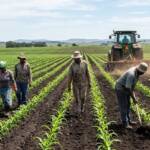
Farmers and businesses operating within Namibia’s agricultural sector could receive up to two years of relief on loan repayments following the financial challenges caused by the Foot-and-Mouth Disease (FMD) outbreak and El Niño-related weather conditions.
The Bank of Namibia has authorised commercial banks to offer affected borrowers a loan repayment moratorium of up to 24 months under a new determination aimed at easing financial pressure on the agricultural sector.
The measures were announced by the central bank’s spokesperson, Kazembire Zemburuka, on Friday, 30 October 2026, following the publication of Determination BID-42 in Government Gazette No. 9059 on 26 October.
Under the new arrangements, banks may allow eligible clients to temporarily suspend payments towards the principal amount of their loans for up to 24 months. However, the relief will depend on an individual assessment of each applicant’s financial position and ability to repay.
The measures cover various types of loans, including working capital, long-term loans and equipment financing. They also extend to businesses linked to the agricultural value chain, such as livestock producers, meat processors, transporters, feed suppliers, exporters and veterinary service providers.
In addition to repayment holidays, banks may restructure distressed loans by extending repayment periods, reducing interest rates or converting short-term loans into longer-term facilities. They may also provide additional recovery financing to businesses affected by the crisis.
However, the relief is not automatic. Applicants must demonstrate that their income has been significantly affected by the outbreak or climate-related conditions, provide supporting documents and submit a formal application to their respective banks.
The determination also specifies that loans must have been performing as of 22 September 2026 to qualify for the principal repayment moratorium. Loans that were already classified as non-performing before the agricultural crisis are generally excluded from this particular relief, although eligible borrowers may be considered for restructuring.
While principal repayments may be suspended, interest can continue accumulating at the existing contractual rate unless the borrower and bank agree otherwise in writing. Banks are also required to ensure that the arrangements do not leave borrowers in a worse financial position after the moratorium ends.
The Bank of Namibia said the interventions are intended to support affected businesses, maintain financial stability and help protect livelihoods across the agricultural sector.
The determination became effective on 26 October 2026 and applies to all banking institutions authorised to operate in Namibia.
About the Author

The Updated World delivers timely and well-researched articles on various topics, including the latest news updates, health, wellness, sports, current affairs, and more.
Related Contents