Youth with Disabilities Reject Empty Promises


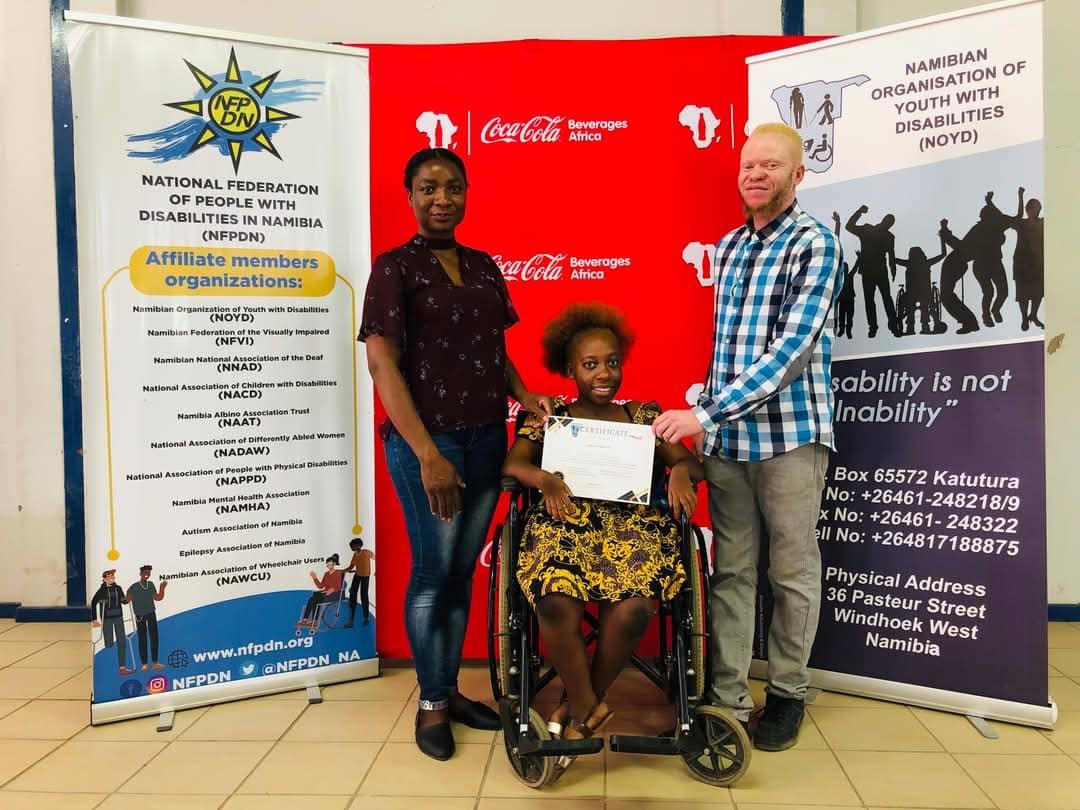
WINDHOEK – As Namibia commemorates National Disability Day today, 10 June, the Namibian Organisation of Youth with Disability (NOYD) has issued a strong call for urgent action to address what it describes as the continued economic, social, and structural exclusion of persons with disabilities in the country.
In a statement released on Wednesday, NOYD said the annual commemoration should not be reduced to symbolic gestures and speeches, but should instead serve as a catalyst for meaningful and measurable change.

Observed under the theme, “Building an Inclusive Namibia through Empowerment, Innovation, Accessibility and Equal Participation of Persons with Disabilities,” the organisation said the lived realities of many young Namibians with disabilities remain far removed from the promises of equality and inclusion enshrined in the Constitution.
NOYD highlighted unemployment as one of the most pressing challenges facing youth with disabilities, citing labour statistics which show that while Namibia’s youth unemployment and underutilisation rate stands at 61.4%, persons with disabilities account for only 2.3% of the country’s employed population.

The organization described the figures as evidence of a deep economic crisis that continues to exclude thousands of capable young people from meaningful participation in the labour market.
“This is not a statistical gap. It is an economic crisis,” the statement said, arguing that exclusion from employment condemns many young people with disabilities to cycles of poverty and dependency.
Beyond employment, NOYD raised concerns about accessibility barriers across public infrastructure and essential services. The organisation noted that many public buildings, government offices, clinics and transport systems remain inaccessible to persons with disabilities due to the absence of ramps, elevators and other basic facilities.
The statement also highlighted challenges faced by deaf and visually impaired citizens, including the lack of sign language interpreters in public hospitals and a shortage of Braille learning materials and accessible digital technologies in educational institutions.
While welcoming government’s recent approval of the Revised National Policy on Disability, NOYD cautioned that policy commitments must be backed by implementation and accountability.
The organisation called for stricter enforcement of employment quotas for persons with disabilities, compliance audits of public infrastructure, the deployment of certified sign language interpreters in state institutions, and increased support for young innovators developing assistive technologies.
NOYD further urged policymakers, businesses and civic leaders to move beyond what it termed “paper-based empathy” and commit resources toward dismantling barriers that continue to marginalise persons with disabilities.
“Empowerment is a myth if our hands are barred from the national economy,” the organisation stated.
As Namibia marks National Disability Day, NOYD said the country must embrace the principle of “Nothing About Us, Without Us,” ensuring that persons with disabilities are directly involved in shaping policies and decisions that affect their lives.
The organisation stressed that genuine inclusion will only be achieved when accessibility, equal opportunity and participation become realities rather than aspirations.
About the Author

The Updated World delivers timely and well-researched articles on various topics, including the latest news updates, health, wellness, sports, current affairs, and more.
Related Contents