Ballotti Urges Bank of Namibia to Enable Access to PayPal, Apple Pay and Other Global Platforms



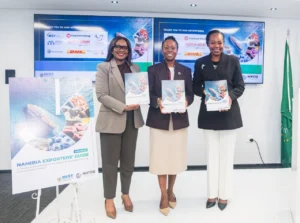
Namibia’s creative industry could see significant economic growth if barriers to international digital payments are removed, Deputy Minister of Industrialisation and Trade, Dino Ballotti, has said. Addressing stakeholders at the Bank of Namibia (BoN) Creative Summit, Ballotti emphasised that improving access to platforms such as PayPal, Google Pay and Apple Pay is essential for local creators to fully participate in the global digital economy.
Ballotti noted that Namibia’s content creators produce work with global reach, yet many still cannot receive cross-border payments due to restricted access to international monetisation platforms. This limitation, he said, hampers the sector’s commercial potential, stifles entrepreneurship and prevents creatives from integrating into worldwide value chains.

According to Ballotti, the central bank is in a strong position to champion the expansion of digital payment systems that allow creators to earn income directly from their online content. He stressed the importance of aligning Namibia’s financial systems with widely used global platforms to unlock opportunities for local talent.
The deputy minister welcomed BoN’s recent progress on instant and interoperable payment solutions, describing it as a step toward enabling monetisation across social media, online marketplaces and other digital avenues. Such systems, he said, would offer secure and reliable income streams for young Namibians working in the creative space.

Ballotti further called on policymakers to recognise the creative sector as an economic driver rather than viewing it solely through the lens of arts and entertainment. He said the ministry’s preferred term, “creative culture economy”, better reflects the sector’s contributions to employment, innovation and national identity.
He added that government reforms are ongoing to strengthen support for the industry. The revised National Arts Fund Bill and the Copyright and Related Rights Bill are nearing completion, aiming to increase funding access and improve intellectual property protection in the digital era.
Highlighting broader policy developments, Ballotti referenced the Namibia Arts, Culture and Heritage Policy 2025–2030, launched earlier this year. He described it as an integrated and forward-looking framework that aligns arts, culture and heritage with the country’s economic and social objectives.
About the Author

The Updated World delivers timely and well-researched articles on various topics, including the latest news updates, health, wellness, sports, current affairs, and more.
Related Contents