Namibian Entrepreneurs Pitch Green Projects to Investors at Swakopmund Summit

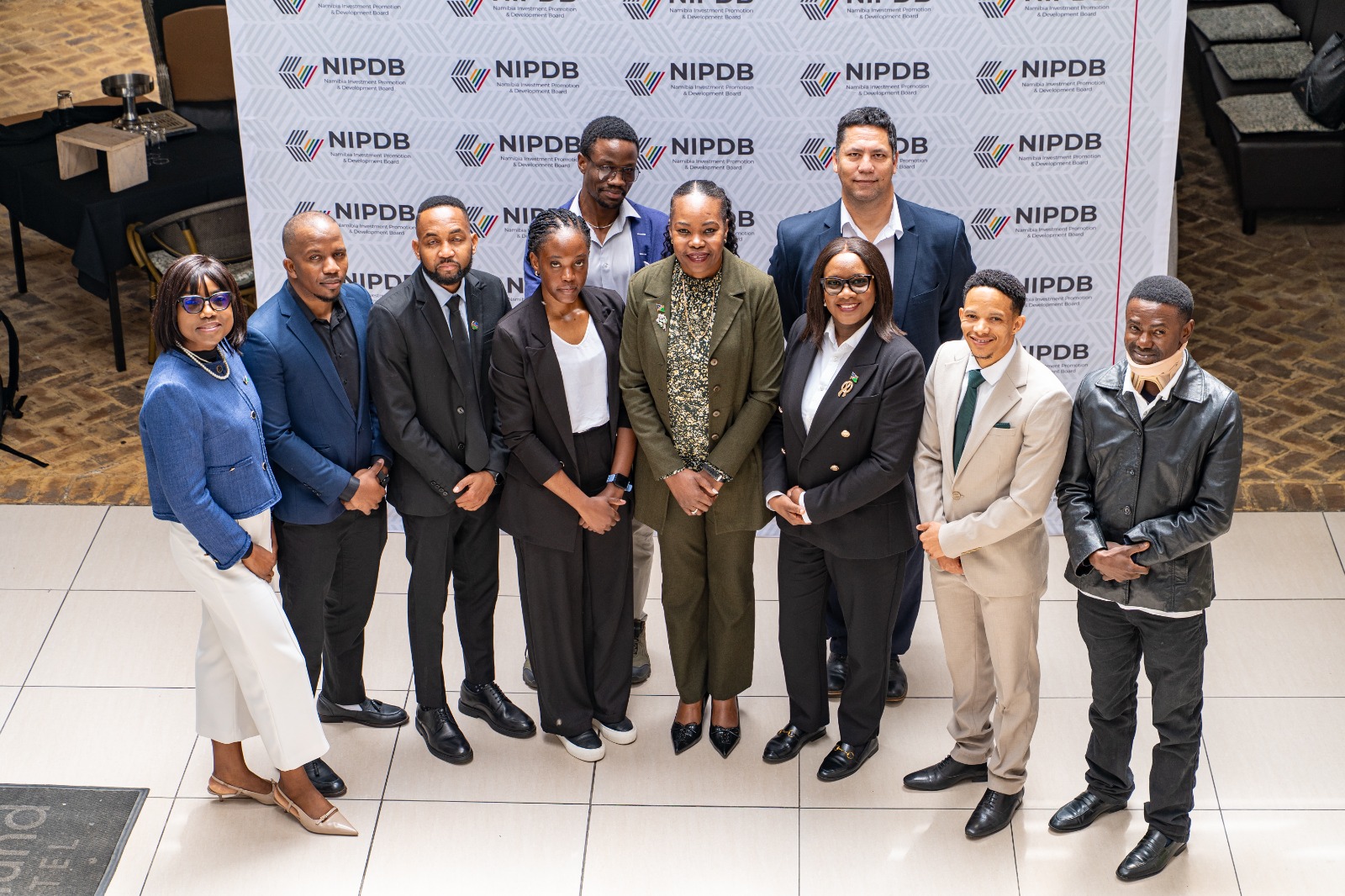
Namibian entrepreneurs are being given greater access to investors and strategic partners as the country seeks to expand its green economy and attract capital into emerging industries.
The Namibia Investment Promotion and Development Board (NIPDB) used the African Green Industries Summit in Swakopmund to bring project developers face-to-face with potential financiers, investors and technology partners during a dedicated Investment Forum.
Eight Namibian project owners took part in a pitching session, presenting investment opportunities in areas including renewable energy, waste management and agricultural machinery manufacturing.
The forum was designed not only to showcase projects but also to help entrepreneurs understand what investors and financial institutions look for when considering potential investments.

NIPDB Acting Chief Executive Officer Julia Muetudhana said the organisation’s responsibility extends beyond attracting money into the country, stressing the importance of connecting viable businesses with the right capital, expertise and technology.
“Our role is thus to help bridge the gap between opportunity and implementation,” Muetudhana said, adding that the forum forms part of efforts to help promising Namibian projects secure the support needed to expand.
Among the entrepreneurs who presented was Ruan de Waldt, Executive Director of Strategy, Operations and Partnerships at Rehoboth Farming and Energy. The company is developing the REHO 40 MW Solar PV Project.
De Waldt described the opportunity to pitch at the NIPDB forum as valuable, saying exposure to investors and industry stakeholders could help the project progress towards becoming bankable.
He said the experience also provided useful knowledge that could be shared with his team and other entrepreneurs entering Namibia’s renewable energy sector.
AgriTactic Machines, represented by Research and Development Associate Klaudia N. Mwatile, also used the platform to present its agricultural machinery manufacturing project.
Mwatile said direct engagement with international investors and financiers provided the company with practical feedback on how to strengthen its feasibility work, improve its presentation and make the project more attractive to potential funders.
A key component of the forum was a feedback session where financiers and investors assessed the projects and provided recommendations to the entrepreneurs.
Tom Vorster of EOS Capital said projects seeking investment must demonstrate strong fundamentals, including legal compliance, financial viability and capable management teams.
He highlighted the importance of having a clear competitive advantage, secured land or resources and properly structured off-take agreements. He also encouraged entrepreneurs to engage with financiers early rather than waiting until they are ready to seek funding.
Adri Spangenberg, Corporate Relationship Manager Coastal at Nedbank Namibia, similarly stressed the importance of bankable feasibility studies covering technical, legal and financial considerations.
According to Spangenberg, investors need to see clear revenue models, credible off-take arrangements and practical implementation plans. He noted that projects in renewable energy, mining and green manufacturing continue to attract interest, but developers must demonstrate that potential risks have been properly identified and managed.
The NIPDB said the Investment Forum forms part of its wider mandate to support investment in Namibia’s priority sectors and strengthen the country’s position as a destination for green industries.
The organisation believes closer cooperation between government, businesses, project developers, investors and technology providers will be important in unlocking opportunities created by Namibia’s energy transition and green industrialisation efforts.
Beyond securing investment, the NIPDB said Namibia also needs a predictable and supportive business environment capable of responding to investor requirements.
Through initiatives such as the Investment Forum, the board aims to build a stronger pipeline of local projects while helping Namibian businesses access the capital, expertise and partnerships required for expansion.
The initiative is ultimately expected to support economic diversification, strengthen local industries and contribute to sustainable employment creation.
 Guest
Guest TUW
TUWRelated Contents