CAF Increases Annual Funding to 54 Member Associations to US$700,000


The Confederation of African Football (CAF) has increased its annual financial support to each of its 54 member associations from US$200,000 to US$700,000, in a move aimed at strengthening football development and improving the financial stability of national federations across the continent.
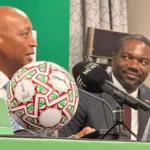
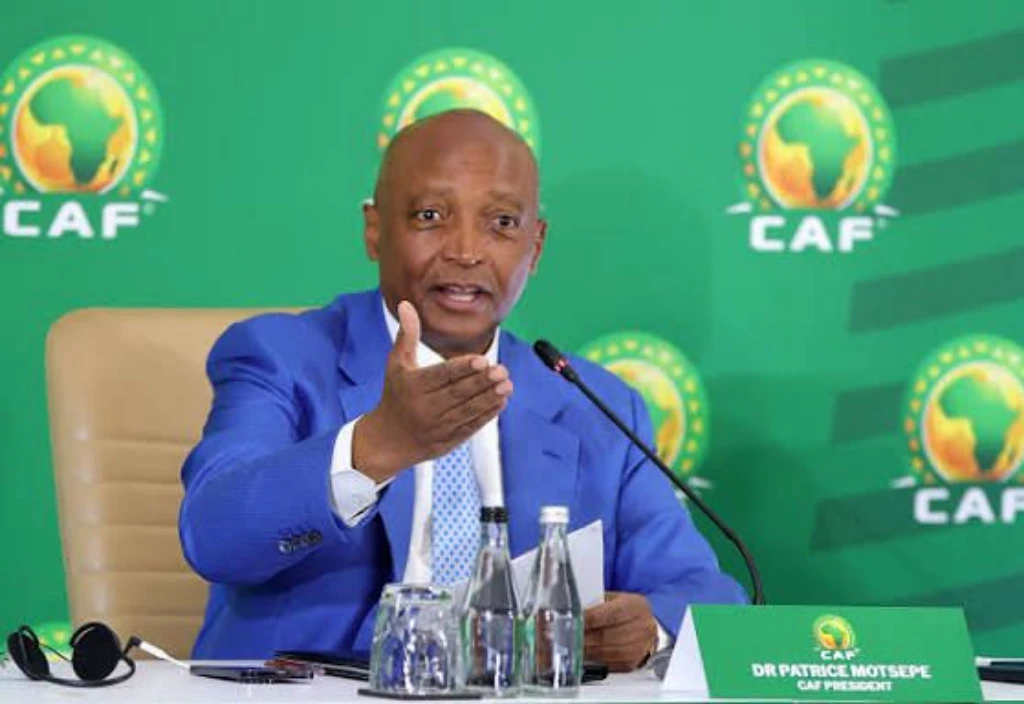
CAF President Dr Patrice Motsepe announced the increase during the CAF Strategy Conference in Santa Maria, on Sal Island, Cape Verde. The three-day conference brought together football administrators, national team coaches and international experts to discuss the future of African football.
The new allocation represents an increase of US$500,000 per association, raising the annual grant to three-and-a-half times its previous level.
Across all 54 member associations, the annual funding would amount to US$37.8 million, compared with US$10.8 million under the previous allocation, provided the increased grants apply to every association for a full year.

The additional funding is expected to help national federations strengthen their administrative operations, improve financial management and invest in football development programmes.
For many African countries, limited financial resources remain a challenge in developing grassroots football, supporting young players, organising domestic competitions and improving the structures needed to produce competitive national teams.
Increased financial support could give federations greater capacity to address these challenges and create better opportunities for players, coaches, referees and other football professionals.
During the conference, Motsepe stressed that African football must translate investment and strategic plans into measurable results.
The CAF president has emphasised the need to improve the quality of football across all 54 member associations, rather than allowing development to be concentrated in a small number of countries.
The funding increase forms part of CAF’s broader efforts to strengthen national associations, attract commercial partners and improve the financial sustainability and competitiveness of African football.
However, the impact of the additional money will depend on how individual federations manage and allocate their resources. Transparent financial reporting, effective administration and investment in long-term development programmes will be important in ensuring that the funding benefits the game.
A Stronger Foundation for African Football
The announcement comes as African football seeks to build on the continent’s performances at the 2026 FIFA World Cup and improve its competitiveness ahead of the 2030 tournament.
The CAF Strategy Conference focused on several areas, including coaching, youth development, football infrastructure, institutional management and the need to make national associations more self-sustaining.
For Namibia and other African nations, stronger financial support for national associations could create opportunities to improve domestic football structures, develop young talent and strengthen national team programmes.
The challenge will be to ensure that the additional funding reaches the areas where it can make a meaningful difference, particularly grassroots development, local competitions and pathways for emerging players.
By increasing its annual grants, CAF is providing its member associations with greater financial resources as it pursues its wider ambition of raising the standard of football across Africa.
The long-term success of the initiative will ultimately be measured by the improvements it delivers on the pitch and the strength of the football structures built across the continent.
About the Author

Karrel Hamutenya is a senior sports journalist at The Updated World, with more than five years of experience reporting on local sport in Namibia and international sports news.His work covers match reports, transfer updates, and exclusive interviews with athletes, providing fans with deeper insight into the game and the people behind it.
Related Contents