Africa CDC Monitors Rare Hantavirus Outbreak Linked to International Cruise Ship


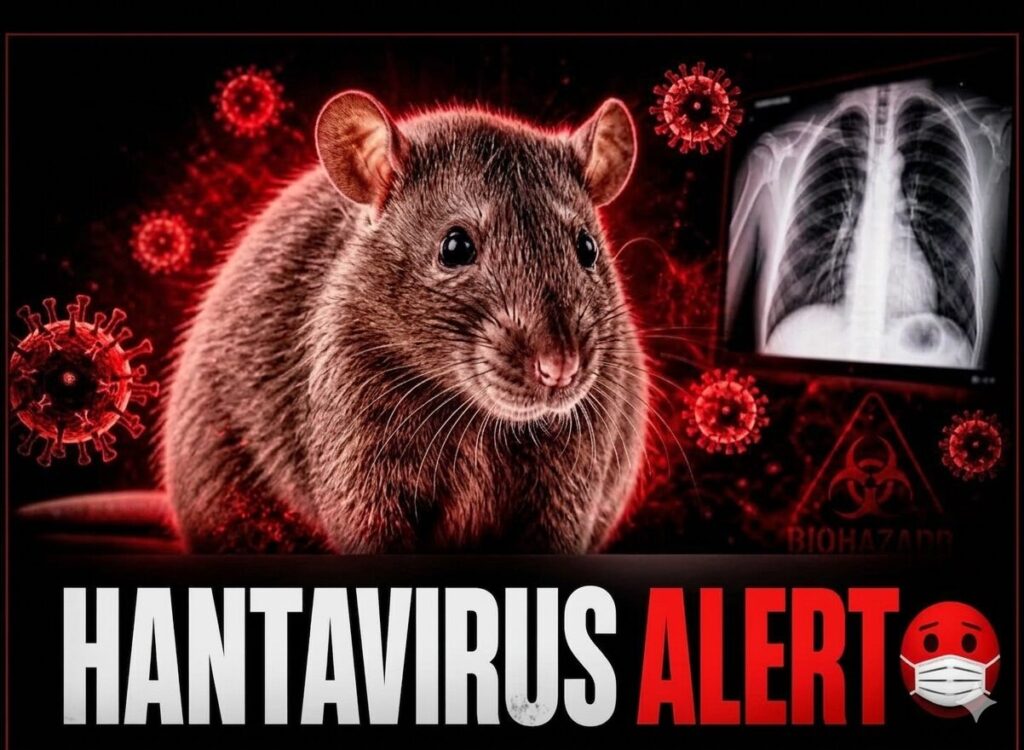
Health authorities across the Africa are closely following an emerging international investigation after a rare cluster of hantavirus infections was reported on a passenger cruise travelling from South America to Europe.
The Africa Centres for Disease Control and Prevention (Africa CDC) has confirmed that it is actively monitoring the situation involving the MV Hondius, a cruise vessel that departed Ushuaia, Argentina, on 20 March 2026 en route to the Canary Islands via Cape Verde, carrying 147 passengers and crew.

According to reports received by health authorities, a series of severe respiratory illnesses was detected among passengers on 2 May 2026. Subsequent investigations have so far identified seven hantavirus cases linked to the vessel two of them laboratory-confirmed and five classified as suspected infections.
The outbreak has resulted in three deaths. One additional patient is currently in critical condition receiving medical care in South Africa, while three others are reported to have mild symptoms.

Health timelines indicate that symptoms began appearing between 6 and 28 April 2026. Initial signs included fever and gastrointestinal distress, which in several cases rapidly progressed to severe respiratory complications such as pneumonia, acute respiratory distress syndrome, and circulatory shock. The first recorded fatality occurred on 11 April 2026 while the ship was still at sea. The deceased’s remains are currently held in Saint Helena pending repatriation to the Netherlands.
In response, health authorities from Cape Verde, the Netherlands, Spain, South Africa, and the United Kingdom have launched a coordinated international response. Measures include detailed case tracing, isolation protocols, clinical treatment, medical evacuation where necessary, and advanced laboratory testing.
Confirmation of the infection has been carried out at South Africa’s National Institute for Communicable Diseases (NICD), while additional scientific analyses such as serological testing, genomic sequencing, and metagenomic studies are still underway to better understand the outbreak.
Hantavirus is typically transmitted to humans through exposure to infected rodents or contact with their droppings, urine, or saliva. Human-to-human transmission is generally considered rare. However, the concentration of cases within a confined cruise ship environment has prompted health experts to investigate potential exposure pathways more closely.
Africa CDC has stated that it continues to engage with affected countries and is providing technical support as the situation develops. At present, evidence suggests the outbreak is contained within the cruise vessel, with no indication of wider transmission in African countries. Public health risk to the general population is currently assessed as low.
Despite this, health officials are urging Member States to strengthen surveillance at ports of entry, reinforce infection prevention and control measures, and ensure rapid reporting systems for any suspected cases.
Travellers are also being advised to maintain strict hygiene practices, avoid exposure to rodents or environments that may be contaminated, and seek immediate medical attention if they develop symptoms such as fever, muscle pain, fatigue, or breathing difficulties after travel.
Africa CDC has confirmed that it will continue to monitor the situation closely and provide updates as further information becomes available.
About the Author

The Updated World delivers timely and well-researched articles on various topics, including the latest news updates, health, wellness, sports, current affairs, and more.
Related Contents