Banda Calls for Stronger Continental Cooperation on Medicine Safety


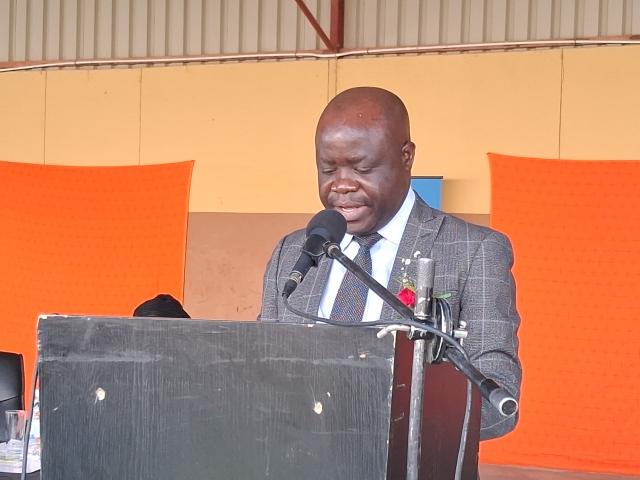
The 2026 International Society of Pharmacovigilance (ISoP) Africa Chapter Annual Meeting officially commenced in Windhoek on Monday, with health leaders and regulatory experts calling for stronger medicine safety systems and greater continental cooperation to protect patients across Africa.
Speaking during the opening ceremony, Dr. Richard Banda, World Health Organization (WHO) Representative to Namibia said pharmacovigilance remains central to patient safety, public health and trust in healthcare systems.

“It is not only a regulatory function. It is a patient safety function. It is a public health responsibility. It is also a foundation for public trust in medicines, vaccines and other health technologies,” Banda said in remarks delivered at the conference.
The three-day conference, hosted by the Namibian government through the Ministry of Health and Social Services and the Namibia Medicines Regulatory Council, has brought together regulators, researchers, healthcare professionals and international organizations from across Africa and beyond.

The gathering is being held under the theme “Patient Safety First: Uniting Pharmacovigilance Efforts under the Africa Medicines Agency.”
Banda commended Namibia for hosting the continental event, saying it reflects the country’s growing commitment to strengthening medicine safety, patient protection and healthcare regulation.
“Namibia’s role as host reflects the country’s commitment to advancing medicine safety, regulatory strengthening and patient safety,” he said.
The World Health Organization representative further stressed that pharmacovigilance — the monitoring of medicine safety and adverse drug reactions — plays an important role in strengthening healthcare systems and supporting universal health coverage.
According to Banda, the WHO Global Patient Safety Action Plan 2021–2030 envisions a world where no patient is harmed during healthcare treatment and where all people receive safe and respectful care.
He identified three major priorities that African countries should focus on to improve pharmacovigilance systems across the continent.
The first, he said, is the strengthening of national pharmacovigilance systems to ensure healthcare workers, patients and communities can effectively report medicine safety concerns and that authorities respond quickly to such reports.
Secondly, Banda called for greater investment in human resources and institutions involved in medicine safety regulation.
“Pharmacovigilance requires skilled professionals and strong institutions. Training, mentorship and professional networks are essential, especially for supporting young pharmacovigilance professionals,” he said.
Thirdly, he emphasised the need for stronger collaboration and harmonisation among African countries and institutions.
“No single country or institution can build a strong pharmacovigilance ecosystem alone. This is why collaboration, reliance, work-sharing and harmonised regulatory approaches are so important,” Banda noted.
The remarks come at a time when many African countries continue facing challenges linked to counterfeit medicines, weak regulatory systems, medicine shortages and underreporting of adverse drug reactions.
For Namibia, the conference is also expected to strengthen the country’s international profile in healthcare regulation and create opportunities for regional cooperation, training and knowledge exchange.
WHO further reaffirmed its support for Namibia in strengthening healthcare regulatory systems and improving access to safe, effective and quality-assured health products through continued capacity-building initiatives involving the Namibia Medicines Regulatory Council and other national institutions.
The conference is expected to continue with technical discussions, presentations and collaborative sessions focused on patient safety, medicine regulation and the future role of the Africa Medicines Agency in strengthening pharmacovigilance systems across the continent.
About the Author

The Updated World delivers timely and well-researched articles on various topics, including the latest news updates, health, wellness, sports, current affairs, and more.
Related Contents