Namibia’s Small Businesses Create 345,000 Jobs, but 84% Face Funding Challenges


Access to funding continues to hold back the growth of Namibia’s micro, small and medium enterprises (MSMEs), despite the sector accounting for an estimated 345,000 jobs, representing 44% of total employment in the country.
This is one of the major findings of a nationwide survey which established that 84% of business owners regard access to finance as a serious challenge, while only 13% managed to secure external funding in the 12 months preceding the study.
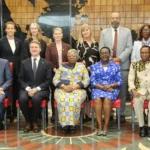
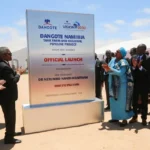
The findings are contained in the Namibia MSME Business Landscape Survey Findings Report, which was officially launched in Windhoek by the Konrad-Adenauer-Stiftung (KAS) Namibia-Angola Office in partnership with research firm Survey Warehouse. The launch also featured five policy briefs proposing measures to improve the operating environment for small businesses.
The survey, which covered 688 businesses across all 14 regions, highlights the difficulties smaller enterprises face when trying to secure financial support. Only 6% of businesses operated by individuals without employees had accessed financing, compared to 32% among medium and larger enterprises.
For businesses whose funding applications were unsuccessful, 42% attributed the rejection to insufficient collateral. The report further found that entrepreneurs seeking funding outside government programmes were more likely to depend on family and friends, accounting for 40%, than commercial banks, which accounted for 17%.
The report was officially launched by Ambassador Dr Jerobeam Shaanika, Executive Director of the Ministry of International Relations and Trade, representing the Minister, Ambassador Selma Ashipala-Musavyi.
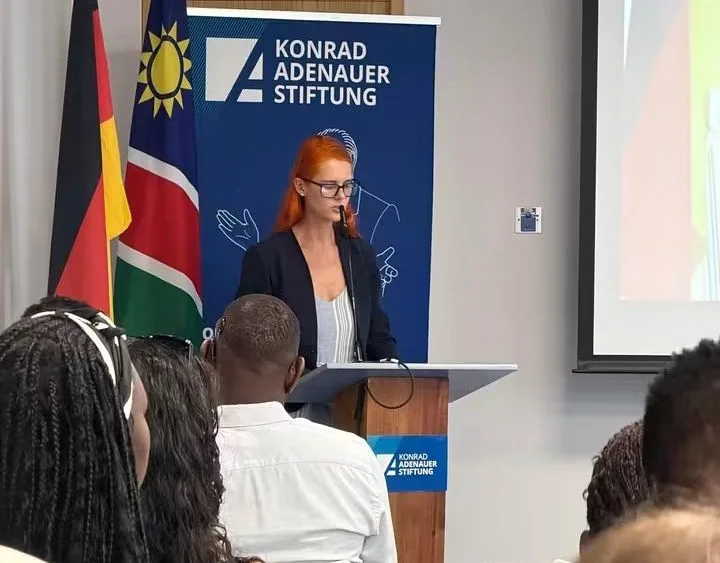
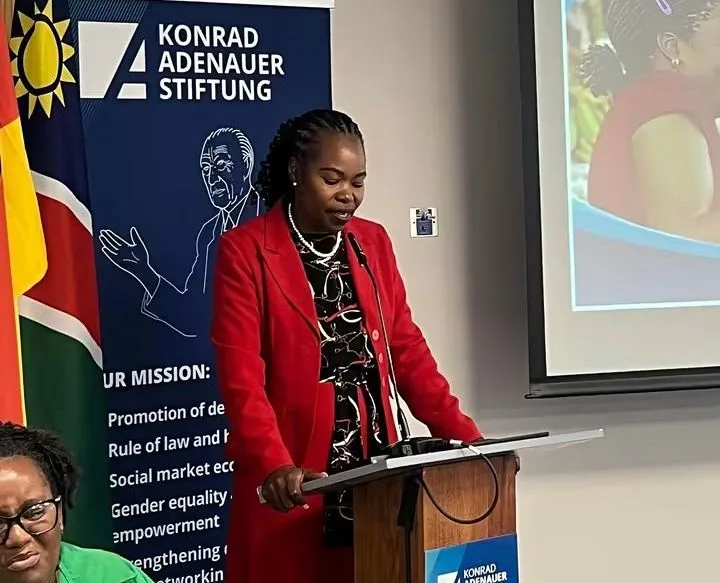
Christie Keulder, Managing Director of Survey Warehouse and lead researcher, presented the findings. Anna Hoffmann-Kwanga, Director of the KAS Namibia-Angola Office, delivered the opening remarks, while KAS Programme Manager Claudia Gossow moderated discussions involving entrepreneurs, policymakers, financial institutions and civil society representatives.
Beyond financing, the study paints a picture of a business sector largely made up of small-scale operators. About 81% of surveyed enterprises employ five or fewer people, while a quarter operate without employees. Overall, 90% have a workforce of no more than 10 people.
Their financial capacity is also limited, with 63% reporting annual turnover of N$150,000 or less. Hospitality and food services, retail and wholesale, agriculture and construction were among the leading sectors represented.
However, despite the difficulties, business owners remain optimistic about their prospects, with 81% indicating plans to expand their operations within the next 12 months.
The survey also identified gaps in business formalisation. While 77% of enterprises are registered, the figure drops to 55% among businesses operated by individuals. Among those operating without registration, 54% said their businesses were too small to require formal registration, while others pointed to registration expenses and limited information.
Regulatory requirements were another concern, with 58% of respondents describing red tape as either a moderate or serious challenge. Delays in securing permits and licences, high compliance expenses and inconsistent guidance from officials were among the issues raised.
Technology adoption remains uneven across the sector. Although 86% of businesses use smartphones in their daily operations, only 21% have accounting software and 18% use cloud storage. Meanwhile, 24% reported using artificial intelligence tools. The sector achieved an average Technology Readiness Index score of 61 out of 100.
Finding customers and reaching new markets also remain difficult, as 61% of businesses reported challenges entering new markets. When asked about the support they needed most, 44% identified business networking and access to contacts, while 24% prioritised opportunities to participate in government tenders.
To address these challenges, the report proposes measures aimed at making finance more accessible to smaller enterprises, including partial credit-guarantee schemes, movable-collateral registries and lending approaches that consider business cash flow rather than relying heavily on traditional security.
It also recommends introducing an affordable digital one-stop platform to simplify business registration processes involving the Business and Intellectual Property Authority (BIPA) and the Namibia Revenue Agency (NamRA).
Other proposed interventions include speeding up permit and licence applications, improving communication between regulatory authorities and businesses, creating more opportunities for MSMEs in public procurement, and expanding mentorship and business networking programmes.
During the event, Gossow highlighted the role of a social market economy in strengthening democratic institutions in developing countries. She called for cooperation between government, the private sector, civil society and development partners to create conditions that allow businesses to grow.
The research was conducted through interviews with 688 MSMEs nationwide. The findings were subsequently weighted against the Namibia Statistics Agency’s Census of Business Establishments to make them representative of an estimated 60,000 business establishments across the country.
About the Author

The Updated World delivers timely and well-researched articles on various topics, including the latest news updates, health, wellness, sports, current affairs, and more.
Related Contents