Havana Residents Set to Benefit from Planned Water and Sanitation Upgrades


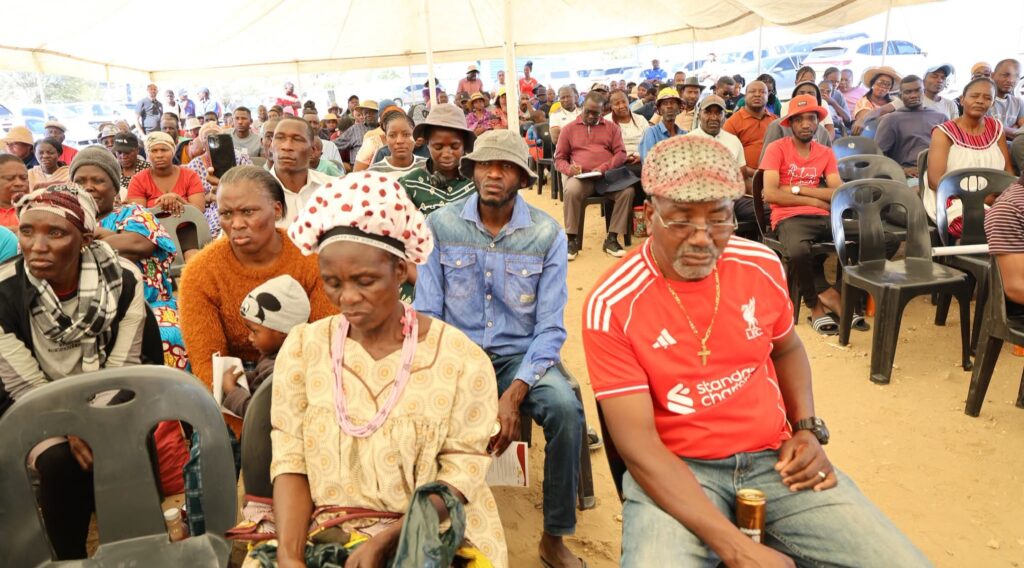
Residents of Havana are expected to benefit from planned upgrades to water and wastewater infrastructure as the City of Windhoek moves to improve sanitation, road infrastructure and overall service delivery in the informal settlement and surrounding communities.
The developments were highlighted during the City of Windhoek’s ongoing public engagement programme, where Havana residents raised concerns about access to water and sanitation, road conditions, traffic safety, public transport and security.

A key part of the City’s long-term infrastructure programme is the upgrading of the bulk wastewater network, which transports wastewater to treatment facilities.
According to the City, strengthening the bulk wastewater system will improve the movement and treatment of effluent while creating capacity to expand sanitation services as Windhoek’s communities continue to grow.

For Havana, planned interventions include an earmarked water treatment facility and the expansion of sanitation infrastructure in the Ongos Valley area.
The proposed improvements are expected to support the construction and upgrading of sanitation infrastructure and make it easier for households and other facilities to connect to the sewer network.
The upgrades could contribute to improved sanitation, better public health conditions and improved living standards for residents in the rapidly developing area.
Residents also raised concerns about the Havana 4-Way intersection, where the completion of the Eneas Peter Nanyemba Road upgrade has been delayed by outstanding relocation matters.
The City said it is addressing the matter through the appropriate legal processes.
Affected households have already been allocated plots in Havana Extensions 8 and 11, with the relocation intended to clear the road reserve and allow the outstanding road construction work to continue.
The relocation will also affect vendors currently operating within the road reserve. Once the area has been cleared, the vendors are expected to move to the planned community market.
The completion of the road upgrade is expected to improve traffic flow and accessibility in the area, particularly as Havana and Ongos Valley continue to expand.
Another major concern raised during the engagement was the road leading to Ongos Valley.
Residents called for the installation of speed humps, citing safety risks associated with vehicles travelling along the busy road.
The concern is particularly significant because two schools are located near the road, increasing the potential risks for learners, parents and other pedestrians.
Residents also called for the expansion of the taxi rank towards Ongos Valley to accommodate the growing population and improve access to public transport.
In addition, the community requested the installation of more CCTV cameras as part of efforts to strengthen security and deter criminal activities.
Mayor of the City of Windhoek, His Worship Cllr. Sakaria Uunona, assured residents that their concerns had been heard and would receive the necessary attention.
The public engagement forms part of the City’s efforts to interact directly with communities, identify service-delivery challenges and find practical solutions to issues affecting residents.
The City has indicated that infrastructure development remains an important component of improving living conditions across Windhoek, particularly in areas experiencing rapid population growth.
For Havana residents, the planned water, sanitation and road infrastructure improvements could provide significant benefits if implemented successfully.
However, residents are also looking to the City to address immediate concerns, including road safety, public transport, security and the completion of delayed infrastructure projects.
The continued engagement between the City and communities is expected to play an important role in ensuring that infrastructure planning responds to the needs of residents while supporting the sustainable development of Windhoek.
About the Author

The Updated World delivers timely and well-researched articles on various topics, including the latest news updates, health, wellness, sports, current affairs, and more.
 Guest
GuestRelated Contents