Namibian President, Nandi-Ndaitwah Honours Castro’s Legacy, Says Namibia Stands with Cuba


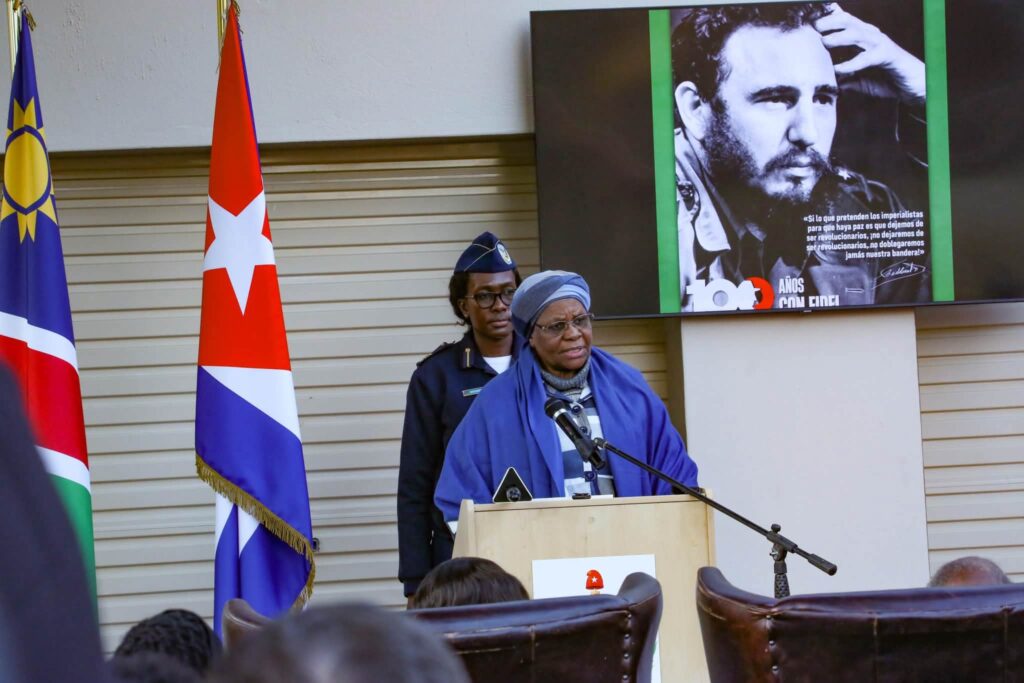
Namibia has renewed its commitment to its longstanding friendship with Cuba, with President Netumbo Nandi-Ndaitwah calling for continued solidarity with the Cuban people amid the country’s current economic difficulties.
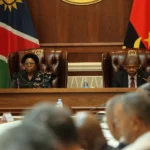
The President made the call on Thursday evening during a commemoration marking 100 years since the birth of Fidel Alejandro Castro Ruz, the former Cuban revolutionary leader who governed Cuba for nearly five decades.

The event brought together senior government officials, Members of Parliament, diplomats, members of the Namibian solidarity movement, former students and beneficiaries of Cuban education and training programmes, as well as members of the Cuban community in Namibia.
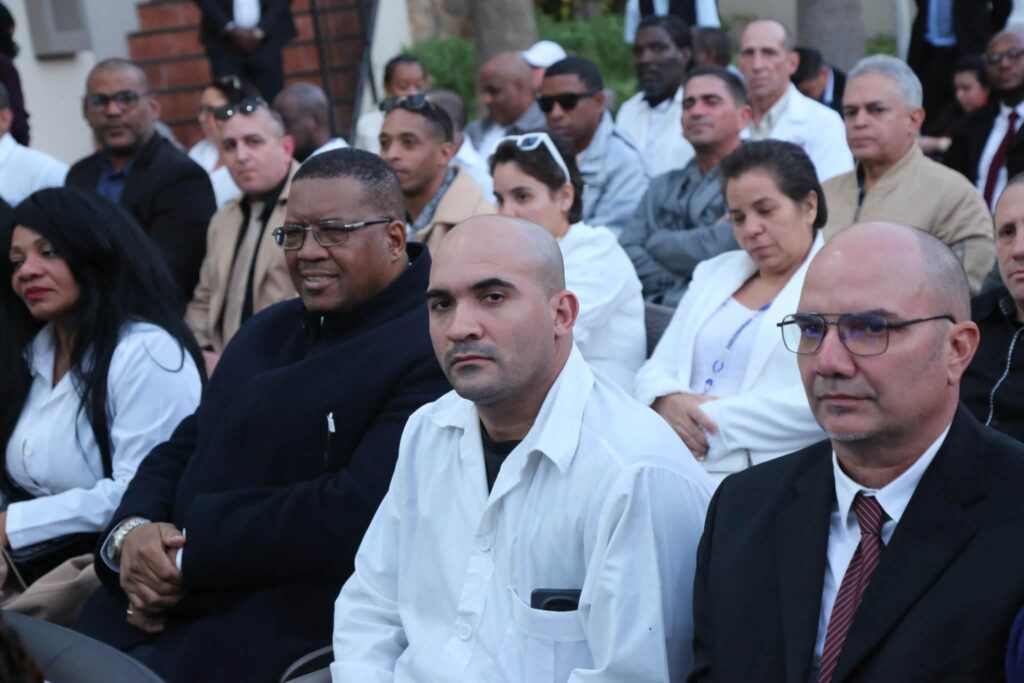
In her keynote address, Nandi-Ndaitwah stressed that Namibia’s relationship with Cuba was built on a history of mutual support during some of the most difficult periods in Southern Africa, rather than on political convenience.

She said the contribution of Cuba to Namibia’s liberation struggle remains deeply embedded in the country’s history, particularly through the involvement of Cuban internationalist forces in Southern Africa.
The President highlighted the Battle of Cuito Cuanavale as a major turning point in the region, saying the 1988 confrontation contributed to changing the political circumstances that eventually accelerated Namibia’s independence and the collapse of apartheid.
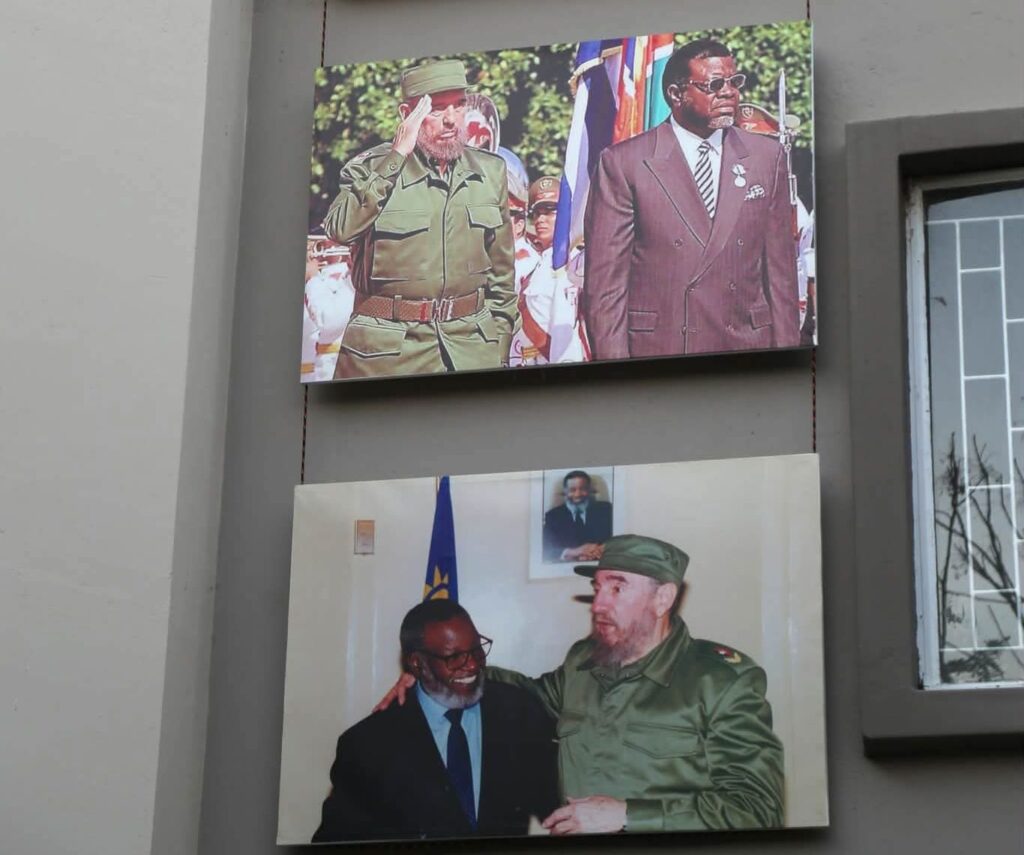
“Namibia has not forgotten the hand of solidarity extended to us at a defining moment in our history,” she said, while honouring the Cuban nationals who supported African liberation movements in their struggle against colonialism, racism and apartheid.
The commemoration also reflected on the relationship between the two countries beyond the liberation struggle. Since Namibia gained independence, Cuban professionals have continued to work in areas including healthcare, engineering, town planning and sport, contributing to various aspects of national development.
Education and training have likewise remained an important part of the bilateral relationship. Numerous Namibians who studied or received professional training in Cuba later returned home and became part of the country’s workforce, creating lasting people-to-people connections between the two nations.
Nandi-Ndaitwah described Fidel Castro as one of the most influential figures of the 20th century and recognised his longstanding commitment to African aspirations and liberation.
She also urged Namibians to continue supporting Cuba as the country faces serious economic challenges.
The President said there should be no hesitation in standing with the Cuban people, particularly given Cuba’s historic support for Namibia during the liberation struggle.
“Namibia remembers. Namibia honours. Namibia stands with you in friendship, in solidarity and in our shared pursuit of a more just, peaceful and equitable world,” she affirmed.
Cuban Ambassador to Namibia Sergio Vigoa de la Uz thanked the Namibian Government and other participants for maintaining the relationship between the two countries.
He specifically acknowledged the presence of national leadership, government officials, Parliament, members of the diplomatic community and civil society at the centenary event.
The Ambassador also recognised the Namibian solidarity campaign, noting its role in providing humanitarian assistance to Cuba, including medical supplies and solar-panel kits.
The centenary commemoration ultimately served not only to remember Castro’s legacy, but also to reaffirm the historical ties between Namibia and Cuba and the continued importance both countries place on solidarity, cooperation and shared development.
About the Author

The Updated World delivers timely and well-researched articles on various topics, including the latest news updates, health, wellness, sports, current affairs, and more.
 TUW
TUWRelated Contents