Theofelus Calls for Media Literacy and Responsible AI Use as Communication Landscape Changes


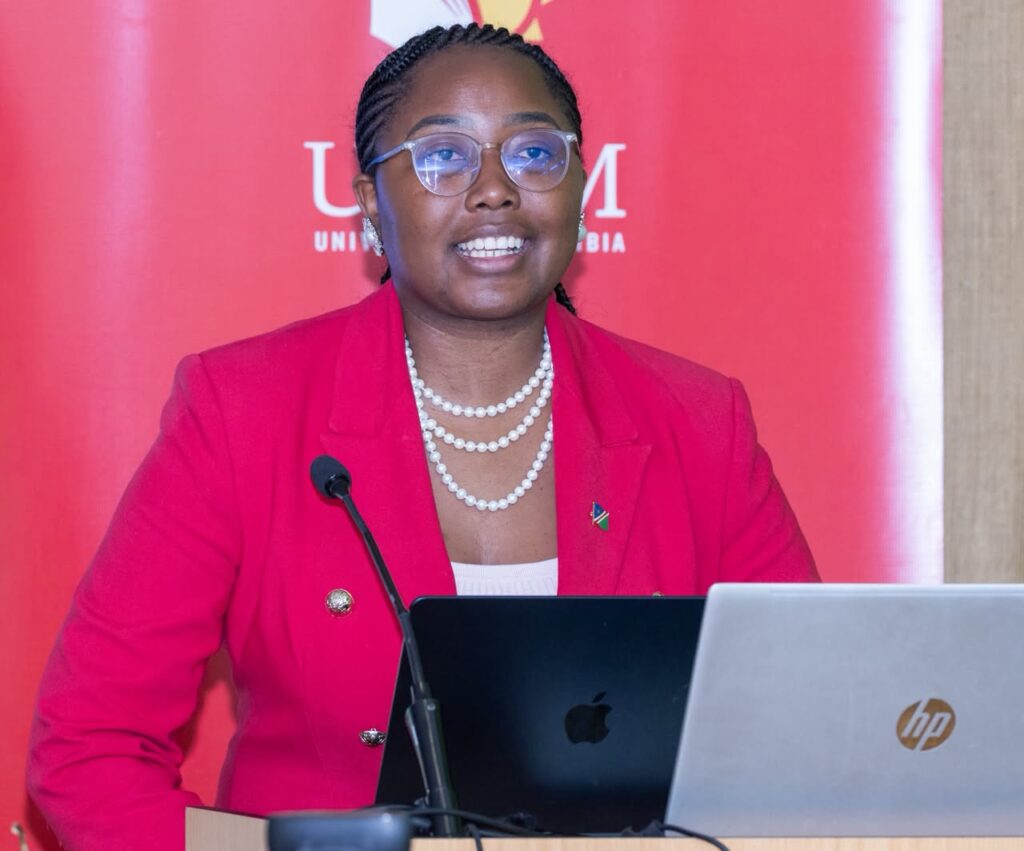
WINDHOEK — Namibia’s rapidly changing digital information environment is placing greater responsibility on media and communication professionals to help citizens navigate misinformation, emerging technologies and an increasingly complex news cycle.
This was the central message from Minister of Information and Communications Technology Emma Theofelus when she officially opened the 3rd Namibia Media and Communications Conference 2026 at the University of Namibia’s main campus on Monday.

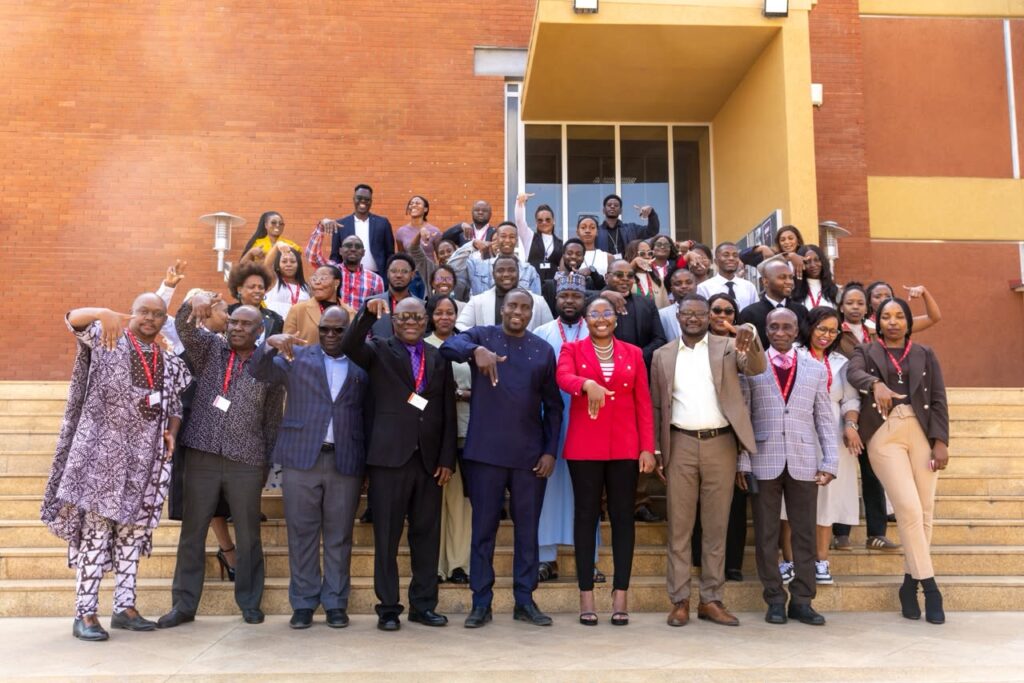
Held under the theme “Media and Communication in Transition: A Call to Action,” the conference brought together media and communication practitioners from academia, government, the private sector and international communication institutions.
Theofelus described the modern communication environment as an “information vortex”, characterised by rapid technological innovation, digital disruption and a continuous 24-hour flow of information.

She said the sheer volume of information now being produced and consumed presents a growing challenge not only for journalists and communication professionals, but also for ordinary citizens who must increasingly make decisions based on information received through multiple platforms.
The Minister said strengthening media and information literacy should therefore remain a priority. Citizens, she argued, need the ability to understand how media operates, assess the credibility of information and distinguish reliable content from misleading or false information.
Her remarks come amid growing concerns over misinformation, disinformation and fake news, particularly as social media and other digital platforms allow information to spread rapidly.
Theofelus said governments also face the challenge of adapting to emerging technologies while ensuring that official information remains credible and accessible to the public.
She stressed that communication professionals can no longer rely on traditional approaches alone, as the boundaries between different forms of media continue to disappear.
According to the Minister, multimedia communication is increasingly becoming standard practice, requiring professionals to develop skills across different platforms and understand how various forms of content can work together to deliver a consistent message.
She also encouraged communication practitioners to embrace Artificial Intelligence (AI) as part of this transition.
Theofelus said the growing use of AI should not necessarily be viewed as a replacement for human communicators, but as a technology that can improve workflows and support professionals in their work.
She urged practitioners to explore responsible ways of working alongside emerging technologies, noting that, like social media, AI is expected to remain an important part of the communication landscape.
The conference therefore places renewed attention on how Namibia’s media and communication sector can adapt to technological change while maintaining the credibility, responsibility and human judgment required to serve the public.
About the Author

The Updated World delivers timely and well-researched articles on various topics, including the latest news updates, health, wellness, sports, current affairs, and more.
Related Contents