UEFA’s 55 Member Associations Reportedly Unite Against FIFA World Cup Commercial Rights Plan


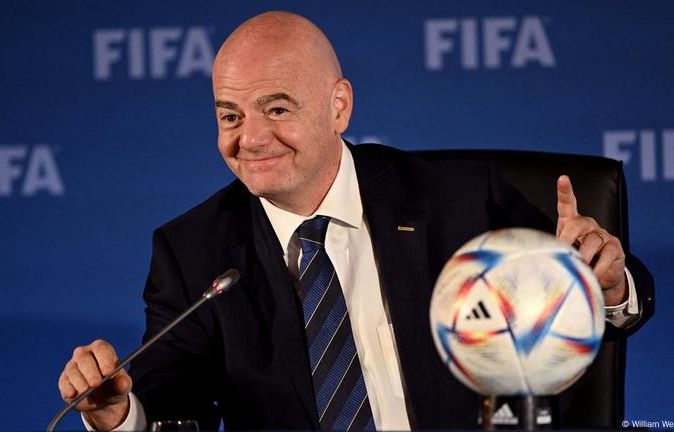
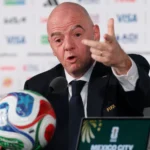
A potential crisis is emerging in world football after UEFA and all 55 of its member associations reportedly expressed opposition to FIFA’s reported plan to sell minority shares linked to the commercial rights of the FIFA World Cup to private investors.
The European football governing body has warned that its member nations could consider refusing to participate in the 2030 FIFA World Cup if the proposal goes ahead. UEFA’s position is based on concerns that the tournament’s commercial interests and future direction could be influenced by private investment groups.

The possible boycott would involve some of the biggest football nations in the world, including former World Cup champions and regular tournament contenders. However, the reported stance covers all UEFA members, meaning every European national team association would be affected.
The 55 UEFA member associations include:

- 🇦🇱 Albania
- 🇦🇩 Andorra
- 🇦🇲 Armenia
- 🇦🇹 Austria
- 🇦🇿 Azerbaijan
- 🇧🇾 Belarus
- 🇧🇪 Belgium
- 🇧🇦 Bosnia and Herzegovina
- 🇧🇬 Bulgaria
- 🇭🇷 Croatia
- 🇨🇾 Cyprus
- 🇨🇿 Czech Republic
- 🇩🇰 Denmark
- 🏴 England
- 🇪🇪 Estonia
- 🇫🇴 Faroe Islands
- 🇫🇮 Finland
- 🇫🇷 France
- 🇬🇪 Georgia
- 🇩🇪 Germany
- 🇬🇮 Gibraltar
- 🇬🇷 Greece
- 🇭🇺 Hungary
- 🇮🇸 Iceland
- 🇮🇱 Israel
- 🇮🇹 Italy
- 🇰🇿 Kazakhstan
- 🇽🇰 Kosovo
- 🇱🇻 Latvia
- 🇱🇮 Liechtenstein
- 🇱🇹 Lithuania
- 🇱🇺 Luxembourg
- 🇲🇹 Malta
- 🇲🇩 Moldova
- 🇲🇪 Montenegro
- 🇳🇱 Netherlands
- 🇲🇰 North Macedonia
- 🏴 Northern Ireland
- 🇳🇴 Norway
- 🇵🇱 Poland
- 🇵🇹 Portugal
- 🇮🇪 Republic of Ireland
- 🇷🇴 Romania
- 🇷🇺 Russia
- 🇸🇲 San Marino
- 🏴 Scotland
- 🇷🇸 Serbia
- 🇸🇰 Slovakia
- 🇸🇮 Slovenia
- 🇪🇸 Spain
- 🇸🇪 Sweden
- 🇨🇭 Switzerland
- 🇹🇷 Turkey
- 🇺🇦 Ukraine
- 🏴 Wales
Among the most prominent nations that could be affected are Spain, France, England, Germany, Portugal, Italy, the Netherlands, Belgium, Croatia and Switzerland, countries with strong World Cup histories and major global fan bases.
The controversy adds to ongoing debates around football governance, financial transparency and the increasing role of private investment in the sport. Critics argue that competitions such as the FIFA World Cup represent global sporting heritage and should remain under the control of football stakeholders rather than outside investors.
The 2030 FIFA World Cup is already set to be a historic tournament, with matches planned across multiple continents as part of celebrations marking the competition’s centenary. However, the latest dispute could create uncertainty around Europe’s participation if an agreement is not reached.
FIFA has not confirmed that a final decision has been made regarding any sale of commercial rights, while discussions between football’s governing bodies and stakeholders are expected to continue.
About the Author

Karrel Hamutenya is a senior sports journalist at The Updated World, with more than five years of experience reporting on local sport in Namibia and international sports news.His work covers match reports, transfer updates, and exclusive interviews with athletes, providing fans with deeper insight into the game and the people behind it.
 TUW
TUWRelated Contents