Municipality Strengthens Sewer Response as Ageing Infrastructure and Overflows Persist


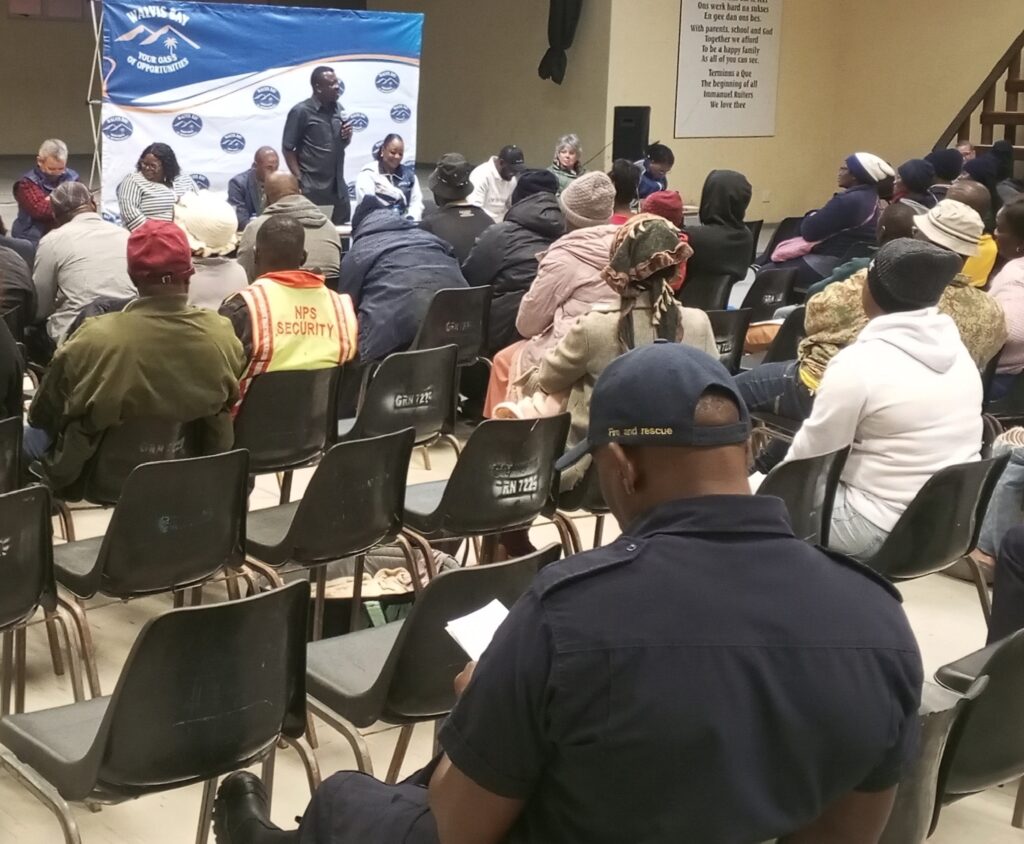
Municipality of Walvis Bay is strengthening its response to persistent sewer problems as ageing infrastructure, overloaded pipelines and misuse of the sewer network continue to contribute to blockages and sewer overflows.
Councillor Pius Benjamin provided an update on the municipality’s sewer infrastructure and response measures during a community engagement in Kuisebmund on Tuesday.

Benjamin said the municipality has acknowledged concerns raised by communities and is implementing measures to improve its capacity to respond to sewer-related incidents and maintain the sewer network.
As part of these interventions, the municipality is expanding its specialised sewer fleet through the acquisition of new equipment, including front-loader and skip trucks, as well as sewer jetting and vacuum trucks.

The additional equipment is expected to strengthen the municipality’s ability to conduct sewer maintenance, clear blockages and improve the management and disposal of sewer-related waste.
Benjamin said the municipality is also improving how sewer complaints are handled.
When a specific sewer problem is reported, the location is recorded and mapped to allow municipal teams to verify the source of the problem and determine the appropriate intervention.
The municipality is further undertaking a major rehabilitation programme covering approximately 300 kilometres of sewer infrastructure, with an estimated 60 percent requiring rehabilitation.
Benjamin said conventional open-trench rehabilitation can take approximately 16 to 18 months per kilometre, depending on the scope and nature of the work.
However, the rehabilitation programme faces challenges, including limited contractor capacity and difficulties in attracting experienced contractors with specialised expertise in trenchless sewer rehabilitation.
These constraints could result in delays to some rehabilitation projects, as the municipality seeks contractors capable of undertaking specialised sewer infrastructure work.
The municipality has also appointed several disposal pre-contractors for three-year periods as part of efforts to accelerate sewer-related interventions and reduce environmental risks associated with temporary disposal arrangements.
Benjamin stressed that ageing infrastructure is not the only cause of sewer overflows.
He said misuse of the sewer network and overloaded pipelines are also contributing to blockages and overflows, while increased development and population pressures are placing additional demands on infrastructure that was not originally designed to accommodate current levels of use.
To address preventable sewer blockages, the municipality conducts monthly sewer awareness campaigns in various communities.
The campaigns encourage residents to use the sewer network responsibly and avoid disposing of materials that could block pipelines and contribute to sewer overflows.
Benjamin urged residents to report sewer problems as soon as they occur instead of attempting to deal with the problems themselves.
Once a complaint is received, municipal officials inspect the reported location, establish the source of the problem and determine the most appropriate intervention.
The councillor said cooperation between residents and the municipality remains essential in addressing sewer-related challenges.
He said responsible use of the sewer network, timely reporting of faults and continued municipal intervention would help reduce sewer overflows, protect the environment and improve the reliability of sewer services.
The municipality’s interventions form part of broader efforts to strengthen sewer maintenance capacity and address the infrastructure pressures facing Walvis Bay as the town continues to develop.
About the Author

The Updated World delivers timely and well-researched articles on various topics, including the latest news updates, health, wellness, sports, current affairs, and more.
 Karrel Hamutenya
 Guest
GuestRelated Contents