NFA Proposes N$5 Sports Levy to Boost Funding and Reform Sports Act

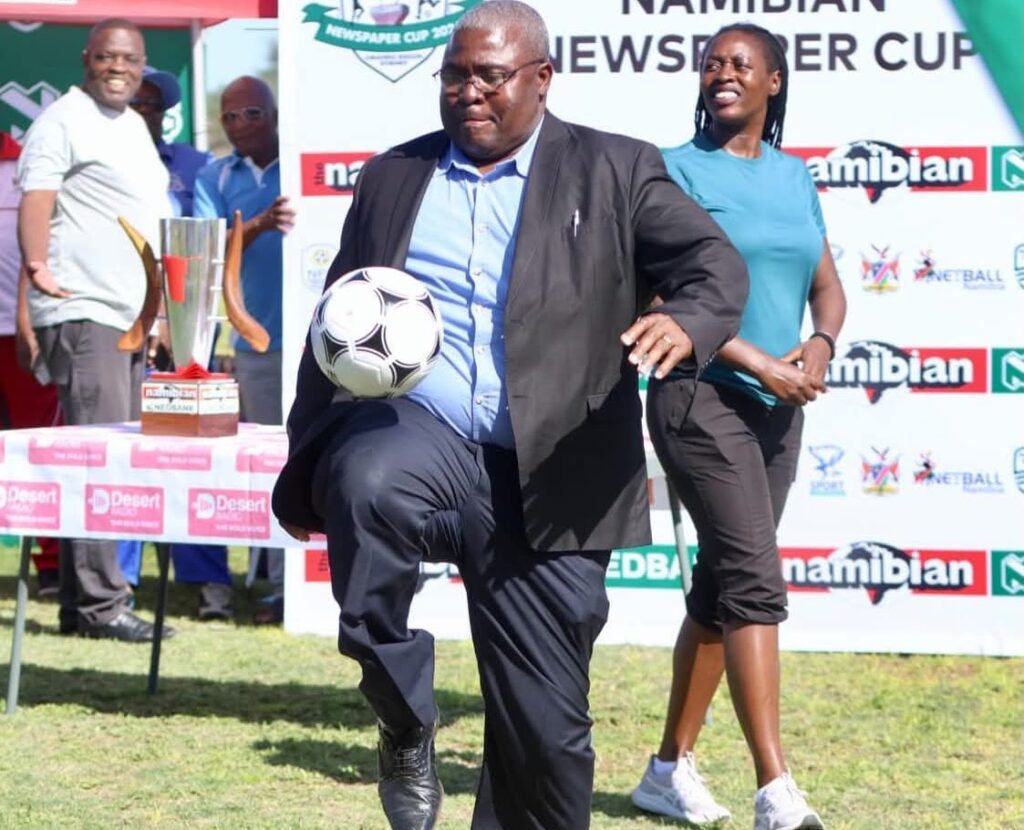
The Namibia Football Association (NFA) has proposed the introduction of a compulsory national sports levy, requiring both employers and employees to contribute N$5 each per month, as part of broader reforms aimed at creating a sustainable funding model for sport in Namibia.
According to New Era Newspaper article, the proposal, submitted in March under the leadership of NFA president Robert Shimooshili, forms part of the association’s call to amend the Sports Act No. 12 of 2003, particularly Section 22 and Sections 2 and 3. The NFA argues that the current legislation is outdated and no longer adequately addresses the governance, financing and long-term development needs of the country’s sporting sector.
The association has presented its recommendations to key social partners, including the Namibian Employers Federation and the National Union of Namibian Workers, urging them to support a review of the law so it aligns with modern sports governance principles, international standards and the evolving demands of national sports federations.
According to the NFA, the proposed levy would establish a dedicated national sports fund, reducing the heavy dependence of sports federations on government allocations while ensuring a more reliable source of income for the sector.

The association said the fund would strengthen sports governance and administration, finance the training of coaches, referees, technical officials and sports administrators, and provide support for national teams across all age categories for both men and women. It would also contribute towards the construction, renovation and maintenance of sports facilities across the country.
The proposal comes amid growing financial challenges facing Namibian sport after the Ministry of Education, Innovation, Youth, Sport, Arts and Culture recently announced the suspension of operational grants to national sports federations due to budget constraints.
In light of these developments, the NFA believes legislative reform has become increasingly urgent, arguing that the Sports Act should provide a framework that enables sports federations to become financially sustainable while promoting stronger governance, transparency and accountability.
Shimooshili said the proposed amendments are intended to create a more supportive legal environment that will allow sports organisations to operate independently and secure their long-term future.
He further explained that the proposed sports fund would be administered by the Namibia Sports Commission in collaboration with the Ministry of Education, Innovation, Youth, Sport, Arts and Culture and the Ministry of Finance, ensuring proper oversight, accountability and alignment with national budgeting processes.
He added that the initiative would reduce the financial burden on government while creating a sustainable funding mechanism to support the growth and development of all sporting codes in Namibia.
“The NFA urges the labour federation, employers’ federation and relevant government offices to consider this proposal as a strategic investment in national development and youth empowerment through sport,” Shimooshili said.
 TUW
TUWRelated Contents