Namibia Named Africa’s Most Authentic Tourism Destination


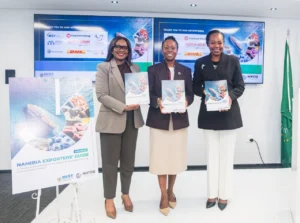
Namibia has earned continental recognition after being named Africa’s most authentic tourism destination by the African Tourism Board, a distinction that reflects the country’s unique approach to travel, conservation, and cultural preservation.
Unlike destinations driven by mass tourism, Namibia has positioned itself as a country for travelers seeking meaningful, immersive, and responsible experiences. From vast deserts to wildlife-rich savannahs and deeply rooted cultural communities, the country offers a form of tourism that prioritizes connection over crowds.
One of Namibia’s strongest tourism pillars is its commitment to conservation. More than 40 percent of the country’s land is dedicated to protected areas, including national parks, conservancies, and community-managed wildlife zones. This makes Namibia one of the global leaders in conservation-based tourism.
The country was also among the first in the world to enshrine environmental protection in its constitution, allowing local communities to actively manage and benefit from wildlife conservation. As a result, tourism revenue directly supports rural livelihoods while preserving natural ecosystems.

More from The Updated World
This model has attracted travelers who want to experience wildlife responsibly, without harming the environment or disrupting local communities.
In a world where many popular destinations are overcrowded, Namibia offers something increasingly rare: space. Its low population density, expansive landscapes, and minimal development create an atmosphere of quiet exploration.
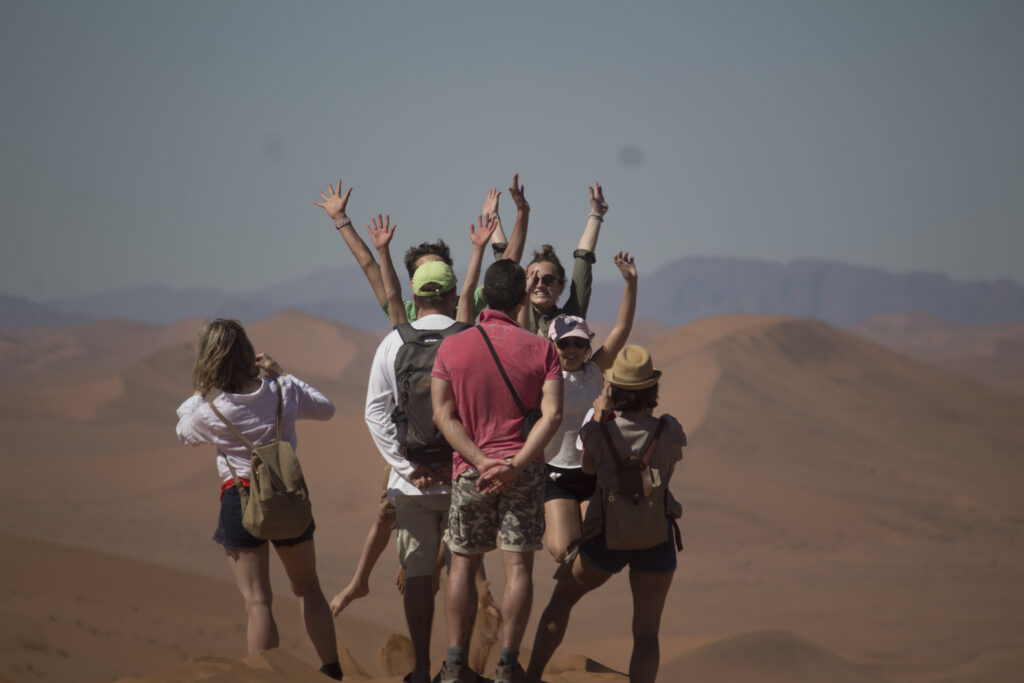
From the towering dunes of the Namib Desert to the remote Skeleton Coast and the open plains of Etosha, visitors are drawn to the sense of freedom and solitude. Travel experts now describe Namibia’s appeal as “space as a new luxury” where silence, vast horizons, and untouched nature are more valuable than five-star excess.
Namibia’s tourism experience is not limited to sightseeing. Travelers are encouraged to engage deeply with the land and its people. Community-run lodges, cultural tours, and guided conservation activities allow visitors to learn directly from local residents while contributing to sustainable development.
Self-drive tourism is also a defining feature of the country, appealing to adventurous travelers who want to explore at their own pace while respecting nature and local traditions.
Why Namibia Stands Out in Africa
The African Tourism Board’s recognition highlights Namibia’s ability to balance tourism growth with environmental responsibility. The country has resisted the pressures of overdevelopment and instead focused on long-term sustainability.
This approach aligns with changing global travel trends, where tourists increasingly value authenticity, ethical practices, and genuine cultural interaction.
Top 10 Authentic and Sustainable Tourism Destinations in Africa
Based on conservation efforts, community involvement, and immersive travel experiences, the following destinations are widely regarded as Africa’s leading authentic tourism hotspots:
- Namibia – A global model for conservation-based tourism and immersive wilderness experiences.
- Botswana – Renowned for high-value, low-impact safaris, especially in the Okavango Delta.
- Gabon – A rising eco-tourism destination with pristine rainforests and coastal wildlife.
- Zambia – Known for walking safaris and community-driven conservation in South Luangwa.
- Rwanda – Conservation-led tourism centered around gorilla protection and community benefits.
- Tanzania – Home to iconic wildlife migrations and culturally rich landscapes.
- Uganda – Offers intimate nature experiences, including mountain gorilla trekking.
- Kenya – Combines traditional safari tourism with strong cultural heritage experiences.
- Ethiopia – A destination rich in history, ancient civilizations, and living traditions.
- Morocco – Blends desert, mountain, and cultural tourism with deep historical roots.
Namibia’s recognition as Africa’s most authentic tourism destination is not accidental. It is the result of decades of deliberate policy choices that place nature, people, and sustainability at the center of tourism.
About the Author

The Updated World delivers timely and well-researched articles on various topics, including the latest news updates, health, wellness, sports, current affairs, and more.
Related Contents