SHIIMI EXPLAINS HOME LOAN REPAYMENT PROCESS AT OSHAKATI HEARING



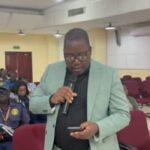
National Assembly Standing Committee on Economy, Industry, Public Administration and Planning Chairperson Hon. Iipumbu Shiimi has explained the home loan repayment process to participants during the committee’s ongoing public hearing in Oshakati.
The public hearing forms part of Parliament’s inquiry into whether Namibia’s existing laws adequately protect citizens from exploitation by micro-lenders and other lending institutions.

Shiimi used the engagement to explain how repayment works in a home loan arrangement, particularly the relationship between the amount borrowed, the interest charged and the period over which the loan is repaid.
The explanation comes against the backdrop of growing concerns over household indebtedness in Namibia, with the parliamentary committee examining the factors contributing to the country’s debt burden and whether existing consumer-protection measures are sufficient.

The committee’s inquiry was initiated following a motion referred to it by the National Assembly in September 2025.
The inquiry focuses particularly on the experiences of civil servants and the impact of loan deductions on their disposable income.
A major issue under scrutiny is the public-service payroll deduction system, through which loan repayments can be deducted directly from employees’ salaries before they receive their net pay.
While the system provides lenders with greater certainty that loans will be repaid, concerns have been raised that it could also contribute to excessive borrowing.
Shiimi has previously raised concerns about cases where salary deductions reportedly leave borrowers with unsustainable amounts of disposable income.
The committee is therefore examining whether current lending practices and regulations adequately balance access to credit with consumer protection.
The issue is particularly significant as recent figures indicate that payday loans account for a large share of new loans issued by microlenders.
This has raised concerns that some households may be borrowing to meet everyday expenses rather than for productive investments or asset building.
The committee is also looking into interest rates charged by microlenders and whether borrowers, particularly civil servants with regular incomes, are being charged rates that appropriately reflect their ability to repay.
During the hearings, stakeholders have presented different views on the causes of Namibia’s growing debt problem.
While micro-lenders have rejected claims that they are solely responsible for the debt crisis, other organisations have argued that many Namibians are borrowing because of financial pressure and the rising cost of living.
The Oshakati public hearing provides an opportunity for members of the public and other stakeholders to share their experiences and concerns directly with the parliamentary committee.
The information gathered during the hearings is expected to assist the committee in assessing whether legislative and regulatory reforms are necessary to strengthen consumer protection and prevent abusive lending practices.
The committee will continue engaging stakeholders as it works towards recommendations aimed at ensuring that access to credit does not push Namibians into unsustainable levels of debt.
About the Author

The Updated World delivers timely and well-researched articles on various topics, including the latest news updates, health, wellness, sports, current affairs, and more.
 Guest
GuestRelated Contents