What They are Lying the Elderly People in Namibia About Pink Himalayan Salt


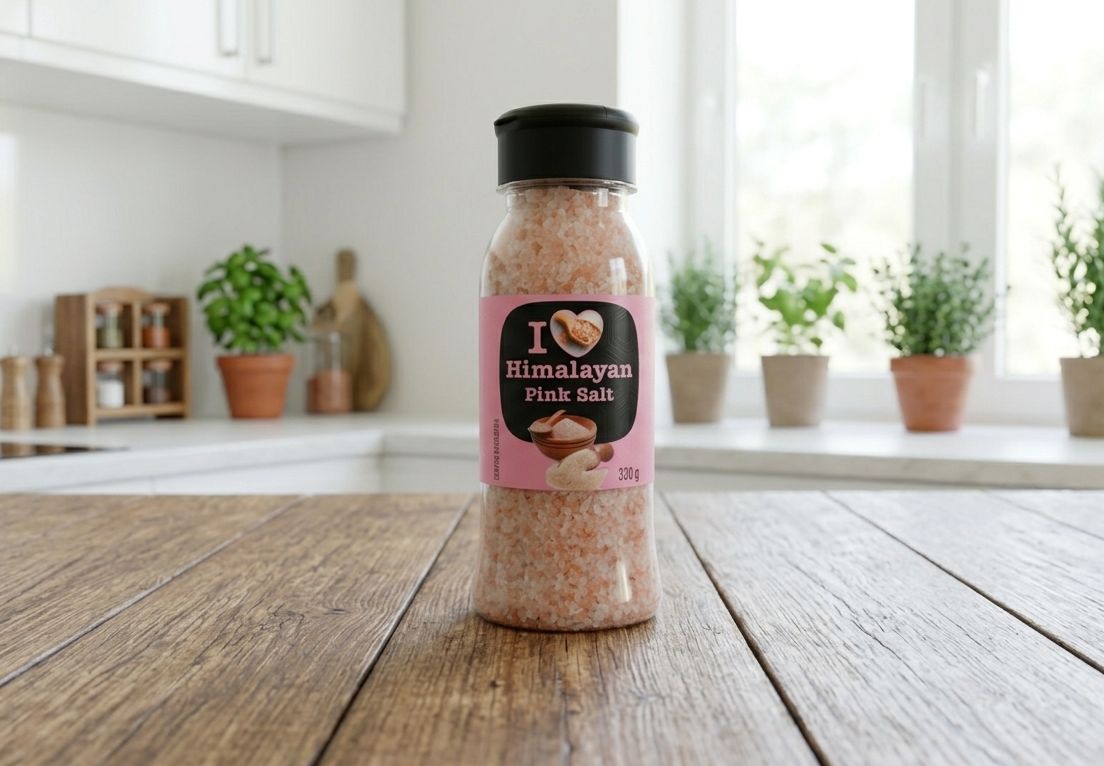
A growing trend of buying expensive Himalayan Pink Salt in Namibia has raised concern among health professionals, who say many consumers, especially older people, are being misled into believing the product is healthier than ordinary salt.
In some pharmacies, Himalayan Pink Salt is sold at prices far higher than normal salt, which costs only a few Namibia dollars. Consumers are paying more because of claims that the salt is natural, chemical-free, or safer for people with high blood pressure and kidney problems. Doctors, however, warn that these claims are misleading.
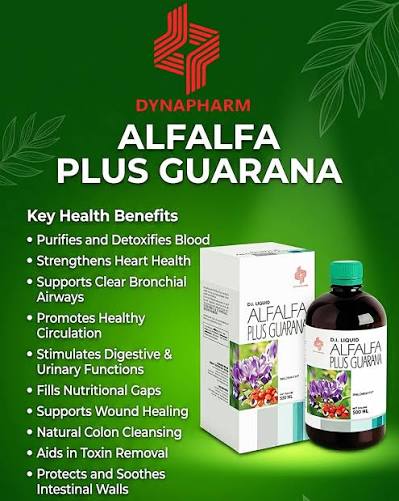
Doctors say Himalayan Pink Salt is not healthier than normal salt
Health specialists explain that most types of salt contain the same main ingredient, sodium chloride, meaning the body cannot tell the difference between Himalayan Pink Salt, sea salt, or normal table salt.
Dr. Anshuman Kaushal, a surgical gastroenterology specialist, said:

“Whether salt is pink, black, or white, the effect on the body is the same because the sodium content is similar. The colour or price does not make it healthier.”
Experts also say that the minerals in Himalayan Pink Salt are present in very small amounts and cannot provide meaningful health benefits.
Claim that iodine-free salt is better strongly rejected by doctors
Some sellers claim Himalayan Pink Salt is better because it does not contain iodine, and say that iodized salt is dangerous for people with high blood pressure, kidney disease, or other health problems.
Medical professionals strongly disagree.
Professor Mohammad Salim Khan from Government Medical College said:
“Pink Himalayan salt is actually deficient in iodine, which the human body needs for proper thyroid function and metabolism. Avoiding iodized salt without medical advice can cause serious health problems.”
Gastroenterologist Dr. Ali Kazemi added:
“Iodine deficiency is reappearing in some areas because people are replacing iodized salt with specialty salts. Iodine is essential to prevent thyroid disease and support brain development, and people should use iodized salt or eat iodine-rich foods to stay healthy.”
Special context in Namibia: Doctors also note that in Namibia, many people rely on iodized salt as their main source of iodine because some cannot afford to buy other iodine-rich foods, such as seafood, fortified products, or supplements. Choosing non-iodized specialty salts could unintentionally increase the risk of iodine deficiency in these communities.
Doctors emphasize that high blood pressure and kidney problems are caused by too much sodium, not iodine, meaning expensive salt does not make it safer.
Cheap natural salt can work the same
Health experts say ordinary iodized salt or simple sea salt which is made from seawater and sold cheaply in many places, can do the same job as expensive Himalayan Pink Salt when used in moderation.
Specialty salts are often not fortified with iodine, which historically helped prevent thyroid disease. Doctors recommend using iodized salt in small amounts rather than paying high prices for products that are not proven to be better.
Marketing and misinformation driving high prices
Experts say the high cost of Himalayan Pink Salt is mostly due to branding, import costs, and marketing that makes people believe the product is special.
Medical professionals warn that the price does not mean better quality, and some sellers take advantage of consumers, particularly older people, who trust health claims without verifying scientific facts.
According to health reports, pink salt may look different because of trace minerals, but these minerals are too small to make a real difference to health, while the lack of iodine can actually create risk if used as the main salt.
Health advice from professionals
Doctors recommend using salt in moderation and choosing iodized salt or simple sea salt instead of expensive products that promise unproven health benefits.
They stress that the real danger is not the type of salt, but consuming too much sodium, which can lead to high blood pressure, heart disease, and kidney problems regardless of whether the salt is pink, white, or from the sea.
About the Author

The Updated World delivers timely and well-researched articles on various topics, including the latest news updates, health, wellness, sports, current affairs, and more.
Related Contents