Péter Magyar Sworn In as Hungary’s Prime Minister, Ending 16-Year Orbán Era


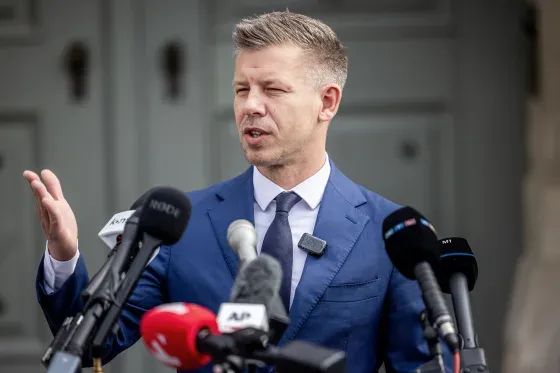
BUDAPEST — In a landmark session on Saturday, May 9, the Hungarian National Assembly officially elected Péter Magyar as Prime Minister, signaling a seismic shift in Central European politics.
Magyar, the leader of the center-right Tisza Party, secured his position with 140 votes in favor and 54 against, officially beginning a four-year mandate. The vote follows a historic landslide victory in the April 12 general elections, where the Tisza Party captured 141 of the 199 seats, unseating Viktor Orbán’s Fidesz party after nearly two decades in power.
A Mandate for Change
In his inaugural address to lawmakers, the 45-year-old former lawyer and diplomat emphasized that his government represents a “regime change” rather than a mere change in leadership.

”I am not standing here because I am different from anyone else in the country,” Magyar stated. “I stand here because millions of Hungarians decided that they want change. This trust is a weight of honor and a moral obligation.”
Magyar pledged to move away from the “us versus them” rhetoric of the past, promising a government focused on national unity, inclusiveness, and democratic renewal.
Immediate Policy Priorities
With a constitutional supermajority at his disposal, Magyar has outlined a swift agenda to pivot Hungary back toward the heart of the European Union:
Restoring Rule of Law: The new administration plans to join the European Public Prosecutor’s Office (EPPO) and establish a National Asset Recovery and Protection Office to investigate allegations of past corruption.
Unlocking EU Funds: A top priority is negotiating the release of approximately $20 billion in frozen EU funds to stabilize the national economy.
Media and Judiciary Reform: Reversing laws that critics argued eroded the independence of the courts and public broadcasters over the last 16 years.
The New Opposition
For the first time since 2010, Fidesz moves to the opposition benches with only 52 seats. Viktor Orbán, the longest-serving Prime Minister in EU history, notably did not take up a seat in the new parliament. While he remains the leader of Fidesz, the party now faces the challenge of reinventing itself after its most significant electoral defeat in modern history.
The session concluded with thousands of supporters gathered outside the neo-Gothic parliament building in Kossuth Square, celebrating what many describe as Hungary’s “second return to Europe
About the Author

The Updated World delivers timely and well-researched articles on various topics, including the latest news updates, health, wellness, sports, current affairs, and more.
Related Contents