PAC Summons Rundu Town Council, Kavango East Regional Council Over Audit Concerns


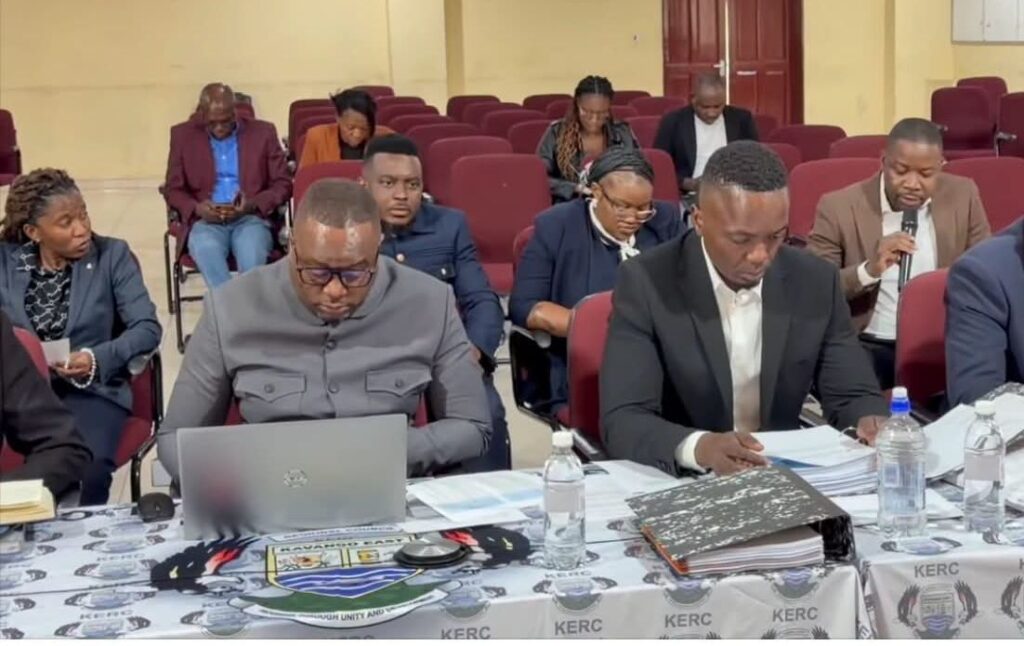
The management of the Rundu Town Council (RTC) and Kavango East Regional Council (KERC) will be required to appear before Parliament in Windhoek after the Parliamentary Standing Committee on Public Accounts (PAC) found their explanations on past audit findings unsatisfactory.
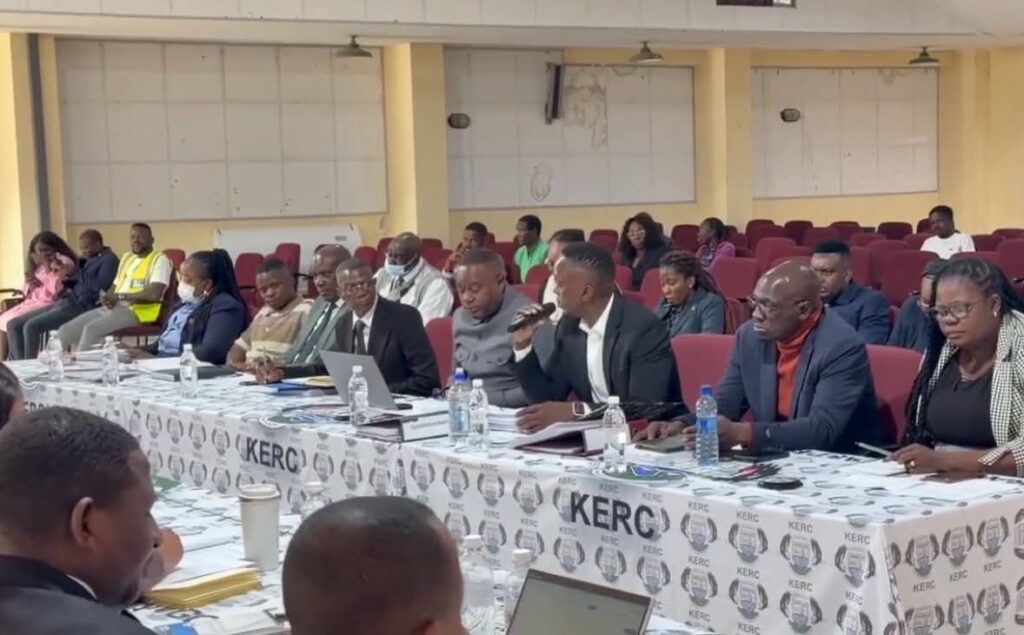
The Committee made the decision following a public hearing held in Kavango East on Monday to scrutinise issues raised in Auditor-General reports for the financial years ending 30 June 2018, 2019 and 2020.
According to the PAC, the responses provided by representatives of both institutions failed to sufficiently address several questions arising from the audit reports. The Committee has therefore resolved to issue subpoenas compelling the two management teams to appear before it in Windhoek.
The date of the appearance will be communicated by the Committee at a later stage.

The hearing formed part of Parliament’s oversight responsibilities, particularly the PAC’s mandate to examine reports submitted by the Auditor-General to the National Assembly. The Committee is established in terms of Article 59 of the Constitution of Namibia and operates under Rule 33(1) of the National Assembly Standing Committee Rules.
Adverse audit findings
The Auditor-General’s audits covered the financial statements of both RTC and KERC for the three financial years in question.
The statements examined areas including financial position, financial performance, changes in net assets, cash flows, budgeted versus actual expenditure, accounting policies and accompanying financial notes.
Both institutions received adverse audit opinions for the periods under review, prompting the PAC to seek clarification from their respective management teams.
The public hearing was conducted openly, allowing members of the Committee to question officials about the findings and seek explanations regarding the management and use of public funds.
Officials pressed for answers
During the proceedings, PAC members raised questions based on issues identified by the Auditor-General.
However, the Committee remained dissatisfied with the answers provided by the representatives of both RTC and KERC.
The situation was further affected by the absence of KERC’s Chief Regional Officer (CRO), who was unavailable to respond to questions concerning the Regional Council.
Following the hearing, the Committee concluded that additional explanations were necessary and resolved to summon the management teams of both institutions to Windhoek.
The subpoenas are expected to compel the relevant officials to attend the proceedings, with the PAC to announce the date of appearance.
Oversight rather than a blame exercise
The PAC has emphasised that its public hearings are not intended to single out or punish institutions, but rather to establish what happened to public funds and determine whether concerns raised through the audit process have been properly addressed.
The hearings also provide an opportunity to identify weaknesses, clarify errors and establish whether corrective measures have been implemented following adverse audit findings.
The process forms part of Parliament’s constitutional oversight role to promote lawful, efficient and responsible management of public resources.
Holding the hearings in public further allows citizens to follow how institutions entrusted with public funds respond to questions concerning financial management and accountability.
Next steps
RTC and KERC management are expected to appear before the PAC in Windhoek once a date has been confirmed.
The Committee’s decision indicates that it intends to pursue unresolved matters contained in the Auditor-General’s reports until adequate explanations are provided.
While the audit concerns relate to financial years dating back to 2018, 2019 and 2020, the PAC’s intervention also highlights the broader importance of strengthening financial controls and ensuring that public institutions address shortcomings identified through the auditing process.
The proceedings ultimately reinforce the principle that officials and institutions responsible for public resources must be able to account for how those resources are managed and spent.
About the Author

The Updated World delivers timely and well-researched articles on various topics, including the latest news updates, health, wellness, sports, current affairs, and more.
 TUW
TUWRelated Contents