Namibia Announces Petrol Price Increase

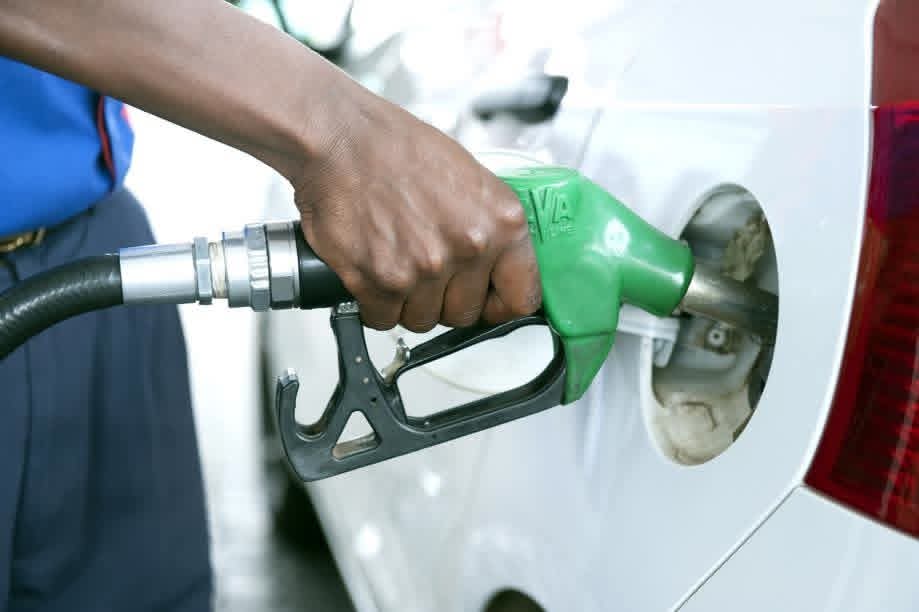
Namibia will increase the price of Unleaded Petrol 95 by N$1.50 per litre from Wednesday, 7 October 2026, while prices for both diesel grades will remain unchanged.
The announcement was made by Minister of Industries, Mines and Energy Modestus Amutse on Friday, 2 October, following the Ministry’s review of fuel prices for October 2026.

The new fuel prices at Walvis Bay will be:
- Petrol 95: N$26.58 per litre
- Diesel 50ppm: N$27.86 per litre
- Diesel 10ppm: N$27.96 per litre
The Ministry said the decision was influenced by higher international petroleum prices, increased shipping costs, a slight weakening of the Namibia dollar against the US dollar and disruptions affecting global oil supplies.

According to the Ministry’s calculations, the average price of Petrol 95 between 1 and 25 September 2026 reached US$148.364 per barrel, representing a 19.27% increase from the August average of US$124.390.
The average price of Diesel 50ppm also increased by 13.60%, from US$160.586 per barrel in August to US$182.413 in September.
Diesel 10ppm recorded a similar increase of 13.52%, rising from US$161.484 to US$183.311 per barrel.
The Ministry attributed the international price increases to continued geopolitical tensions and supply disruptions in the Middle East, including attacks on oil infrastructure and constrained flows through the Strait of Hormuz.
Higher shipping costs and diesel export restrictions imposed by some major countries also contributed to increased international fuel costs.
As of 25 September, provisional under-recoveries stood at 379.643 cents per litre for Petrol 95, 358.413 cents for Diesel 50ppm and 357.599 cents for Diesel 10ppm.
Based on these figures, the Ministry resolved to increase Petrol 95 by 150 cents per litre, while keeping the prices of both diesel grades unchanged.
The revised prices will apply across the country, with adjustments outside Walvis Bay made in line with the applicable fuel-price structure.
The government has also assured the public that Namibia currently has adequate fuel stocks and faces no immediate risk of fuel shortages.
Amutse said the national fuel supply chain remains operational and stable, with Oil Marketing Companies maintaining sufficient stock levels to meet national demand.
Government Secures N$220.5 Million in Bulk Fuel Savings
The government is continuing to use the National Energy Fund (NEF) and the Bulk Petroleum Import Coordination (BPIC) mechanism to reduce the impact of international fuel-price shocks on consumers.
For the period from November 2026 to January 2027, the government conducted a competitive process for bulk fuel supply involving four domestic oil companies and their strategic partners and affiliates.
TotalEnergies Marketing Namibia and its trading partner TOTSA emerged as the successful bidders, securing a weighted net discount of 63.85 Namibian cents per litre.
The government estimates that the arrangement will result in approximately N$220.5 million in savings at the macroeconomic level.
However, the Ministry clarified that the discount does not automatically mean fuel prices will fall.
The Basic Fuel Price is influenced by the international cost of petroleum products, the exchange rate between the Namibia dollar and US dollar, and shipping costs. Therefore, future pump prices will continue to depend on developments in the international oil market.
The government also said its emergency bulk fuel supply arrangements from July to October 2026 helped eliminate additional premiums that would otherwise have been charged above the Basic Fuel Price.
The Ministry estimates that these premiums could have resulted in losses of between N$400 million and N$700 million at the macroeconomic level.
The government said the arrangements have therefore helped retain funds within the Namibian economy.
Namibia Remains Dependent on Imported Fuel
Namibia remains a net importer of all petroleum products, limiting the country’s ability to control international fuel-price movements.
The Ministry said it will continue monitoring developments in the international oil market while implementing measures aimed at maintaining fuel security, supporting economic stability and reducing the impact of global price shocks on consumers.
The new Petrol 95 price will take effect on Wednesday, 7 October 2026, while both diesel prices will remain unchanged.
About the Author
Aneli Fura is a Senior Editor at The Updated World, where he oversees and contributes to general news coverage across Namibia. His reporting focuses on crime, accidents, local developments, and other important stories affecting communities across the country.
 TUW
TUWRelated Contents